4 hr
Fast & Furious Tokyo Drift Experience
- Entry ticket
- Mobile voucher
- Valid same day
- Free cancellation
Tokyo Daikoku Car Meet Tour — Guided JDM Night Drives
Join the legendary street gathering, ride iconic tuned machines through midnight highways.
Compare fares, pick the fit — all bookings are mobile-voucher and eligible for free cancellation where shown.
4 hr
4 hr
3 hr 30 min
| Experience | Duration | Rating | Transfers | Pickup | Small group | Free cancel. | Price | |
|---|---|---|---|---|---|---|---|---|
|
Standard Entry
Most popular
Fast & Furious Tokyo Drift Experience
|
4 hr | ★ 4.8 | ✓ | — | ✓ | ✓ | €119 | Book → |
|
Standard Entry
Daikoku JDM Night Meet Tour in Tuned EVO or WRX
|
4 hr | ★ 4.9 | — | ✓ | — | ✓ | $98 | Book → |
|
Standard Entry
Tokyo JDM Night Drive: Skyline, Supra & Wangan Highway Experience
|
3 hr 30 min | ★ 4.9 | — | ✓ | ✓ | ✓ | €102 | Book → |
Worth it for JDM enthusiasts and car culture fans
Daikoku Parking Area itself charges no entrance fee — it's a public expressway rest area open 24/7 — so visiting independently costs only transport. However, the tokyo daikoku car meet tour options on this page bundle the meet with expert-guided JDM night drives in iconic tuned vehicles like the Skyline, Supra, EVO, or WRX, adding context and access most visitors can't arrange alone. Tours typically run during the prime 20:30–22:30 gathering window when modified cars congregate, offering immersive exposure to Japan's street racing heritage and Wangan highway culture. Worth it for anyone passionate about Japanese Domestic Market builds, tuner subculture, or automotive photography; skippable if you're not already invested in car culture, since the experience centers entirely on vehicle spotting and enthusiast conversation rather than broader sightseeing.
Bottom line: Tokyo daikoku car meet tour packages transform a free parking area into a curated JDM immersion — essential for tuner fans, missable for general tourists.
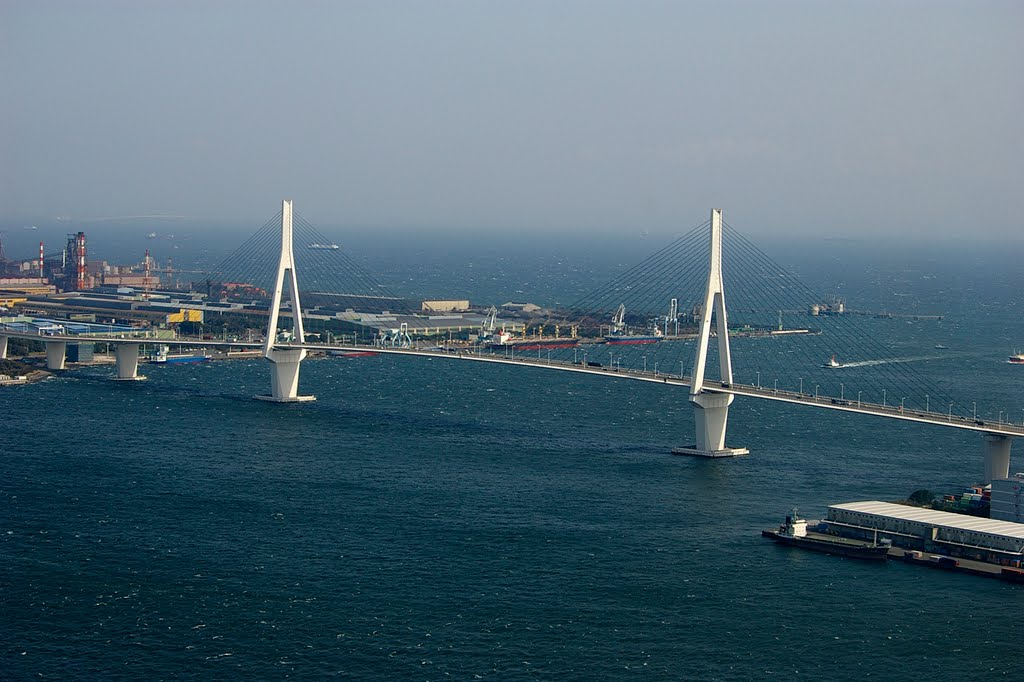
Daikoku Parking Area is the sprawling, high-volume epicenter for JDM culture, while Tatsumi PA offers a more intimate, urban atmosphere for those seeking a different Tokyo car meet experience.
|
Top pick Daikoku PA |
Tatsumi PA | |
|---|---|---|
| Entry Fee | 0 JPY | 0 JPY |
| Capacity | Large (Hundreds of cars) | Small (Approx. 30 spots) |
| Atmosphere | Industrial and energetic | Compact and urban |
| Best Time | 20:30–22:30 (peak) | Weekend evenings (late) |
| Access | Expressway only | Expressway only |
| Suitability | First-time tourists | Second-stop enthusiasts |
| See tickets & prices |
Verdict: Most visitors who book a tokyo daikoku car meet tour find the scale of Daikoku unmatched, yet many combine it with Tatsumi PA to complete their Japanese automotive immersion.
Hand-picked experiences loved by thousands of travelers
3 hours
Free Cancellation
Ride shotgun in a modified Skyline, Supra, or Silvia through Tokyo's expressways to Japan's legendary street car gathering.
3-4 hours
Free Cancellation
Cruise iconic Tokyo expressways in a legendary Japanese performance car and dive deep into JDM culture
3 hours 30 minutes
Free Cancellation
Dive into Tokyo's legendary JDM scene with a thrilling night tour through iconic car culture hotspots
2.5 - 3 hours
Free Cancellation
Ride shotgun in a tuned Japanese sports car through Tokyo's highway system to the world's most iconic car meet.
3 hours
Free Cancellation
Ride iconic JDM legends through Tokyo's expressways and meet Japan's underground car culture at Daikoku.
3 hours 30 minutes
Free Cancellation
Experience Tokyo's legendary street car culture at iconic gathering spots with an expert guide
3 hours
Free Cancellation
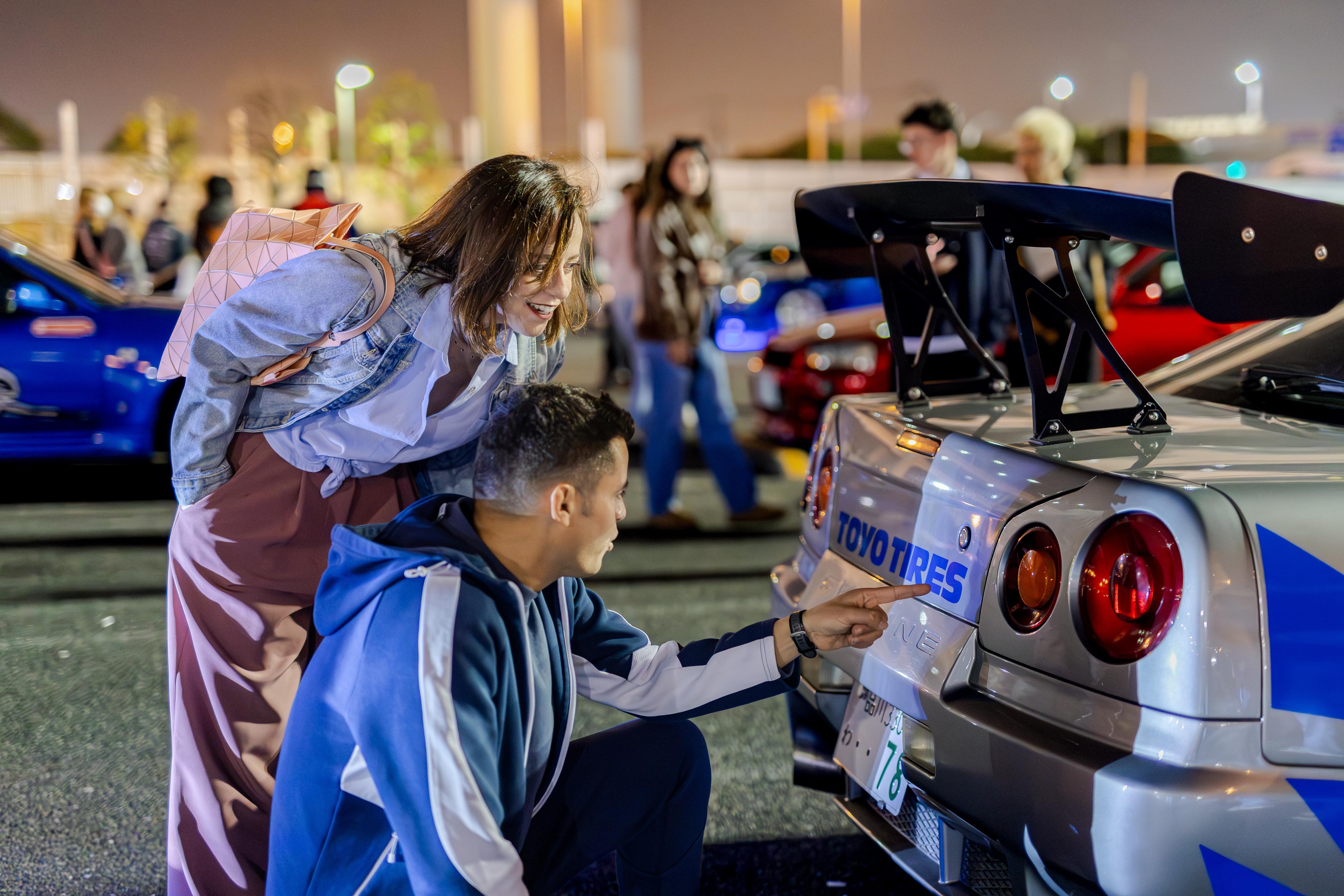
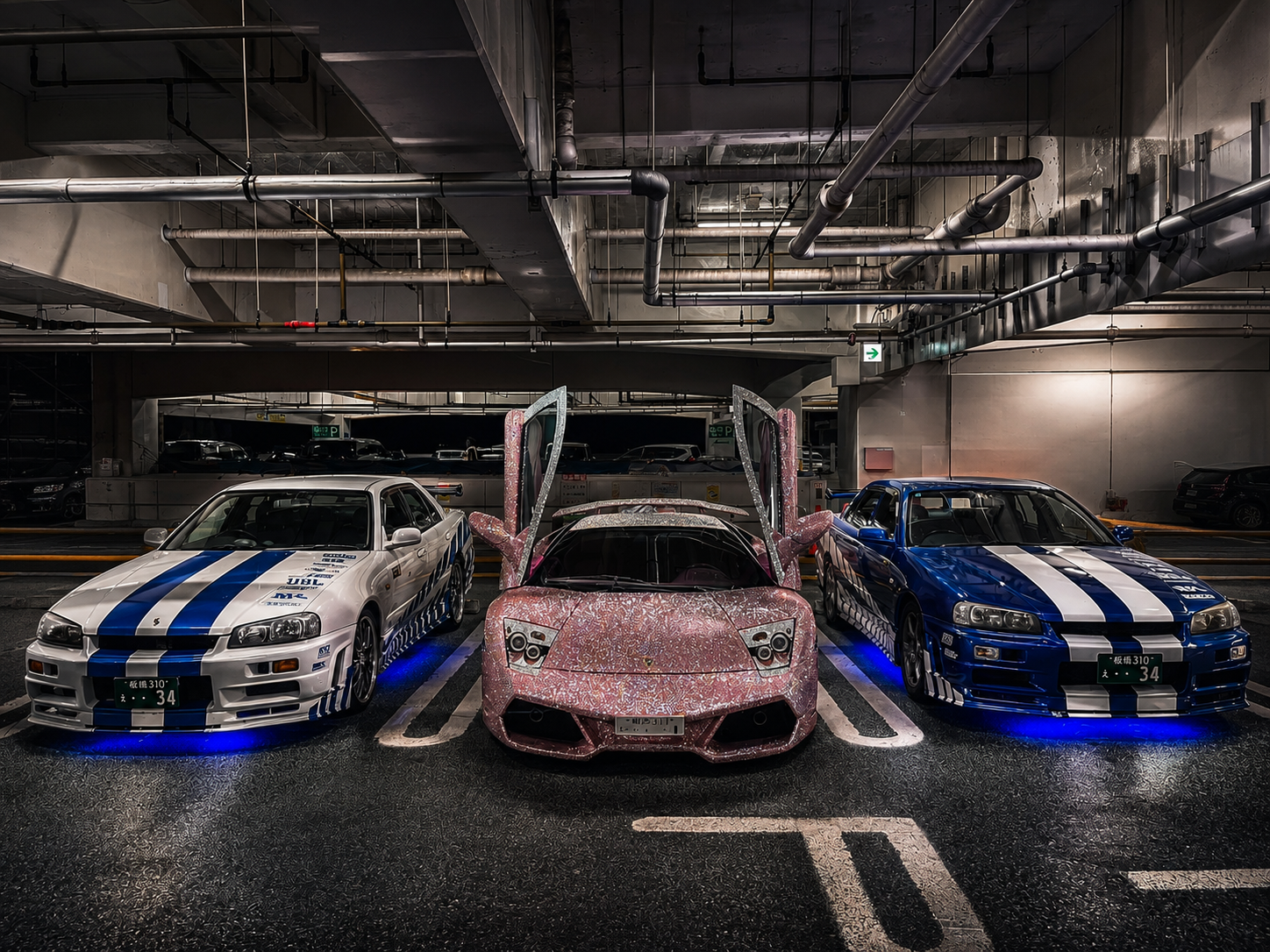
Drive through Tokyo in an iconic Brian O'Conner-styled R34 Skyline with a professional chauffeur
3 hours
Free Cancellation
Cruise Tokyo's neon streets in an authentic tuned JDM performance car and visit legendary car meet spots
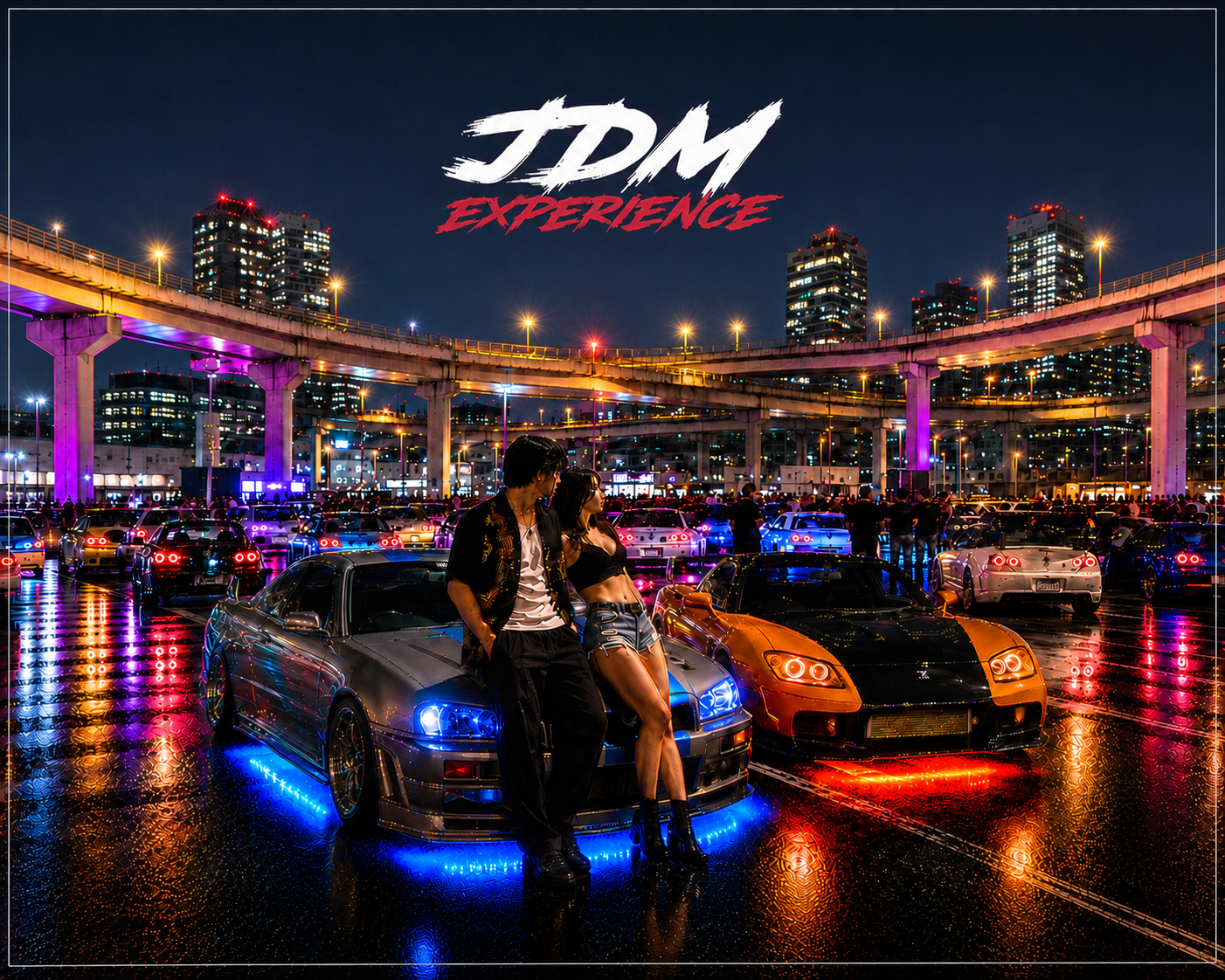
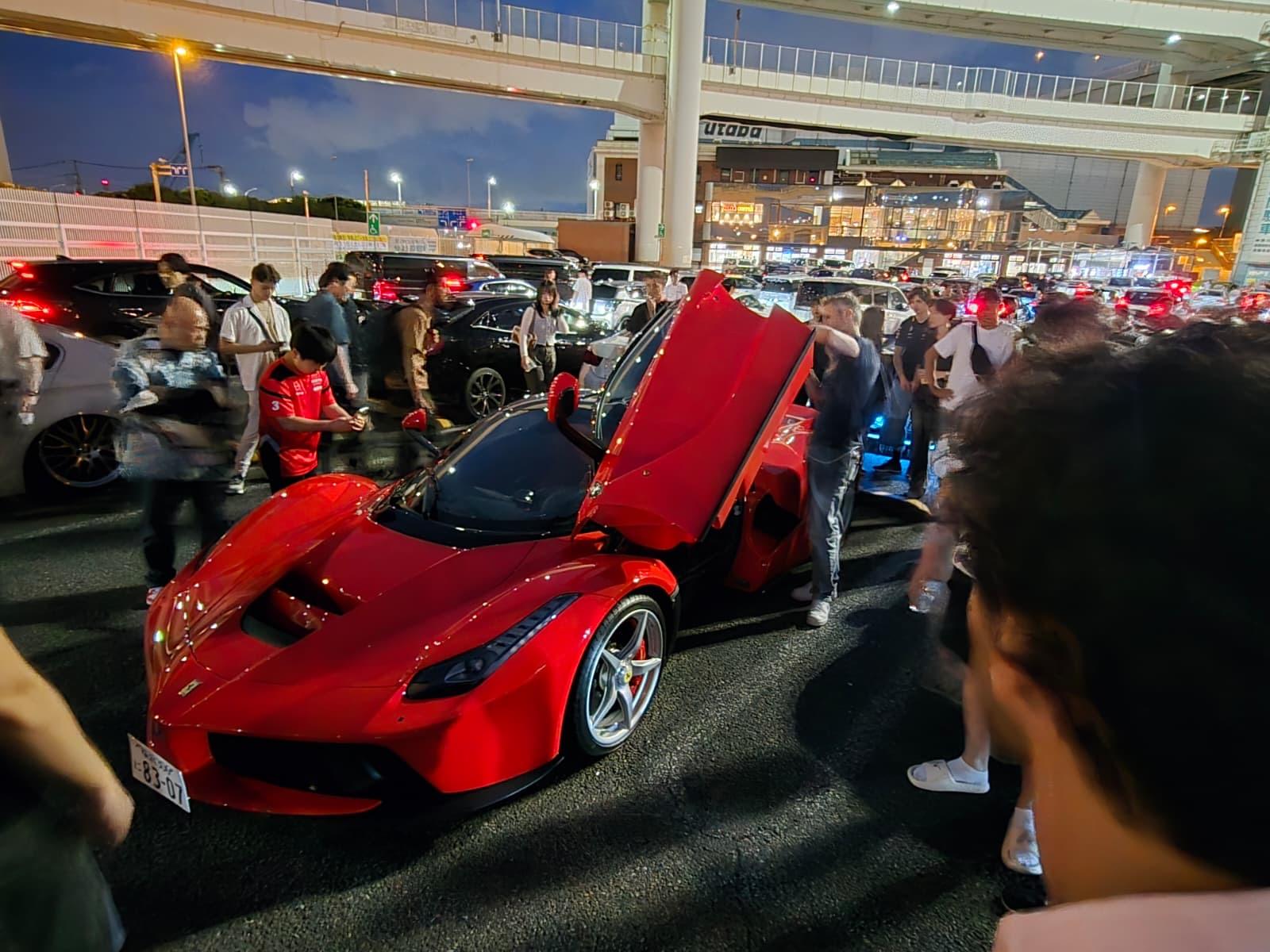
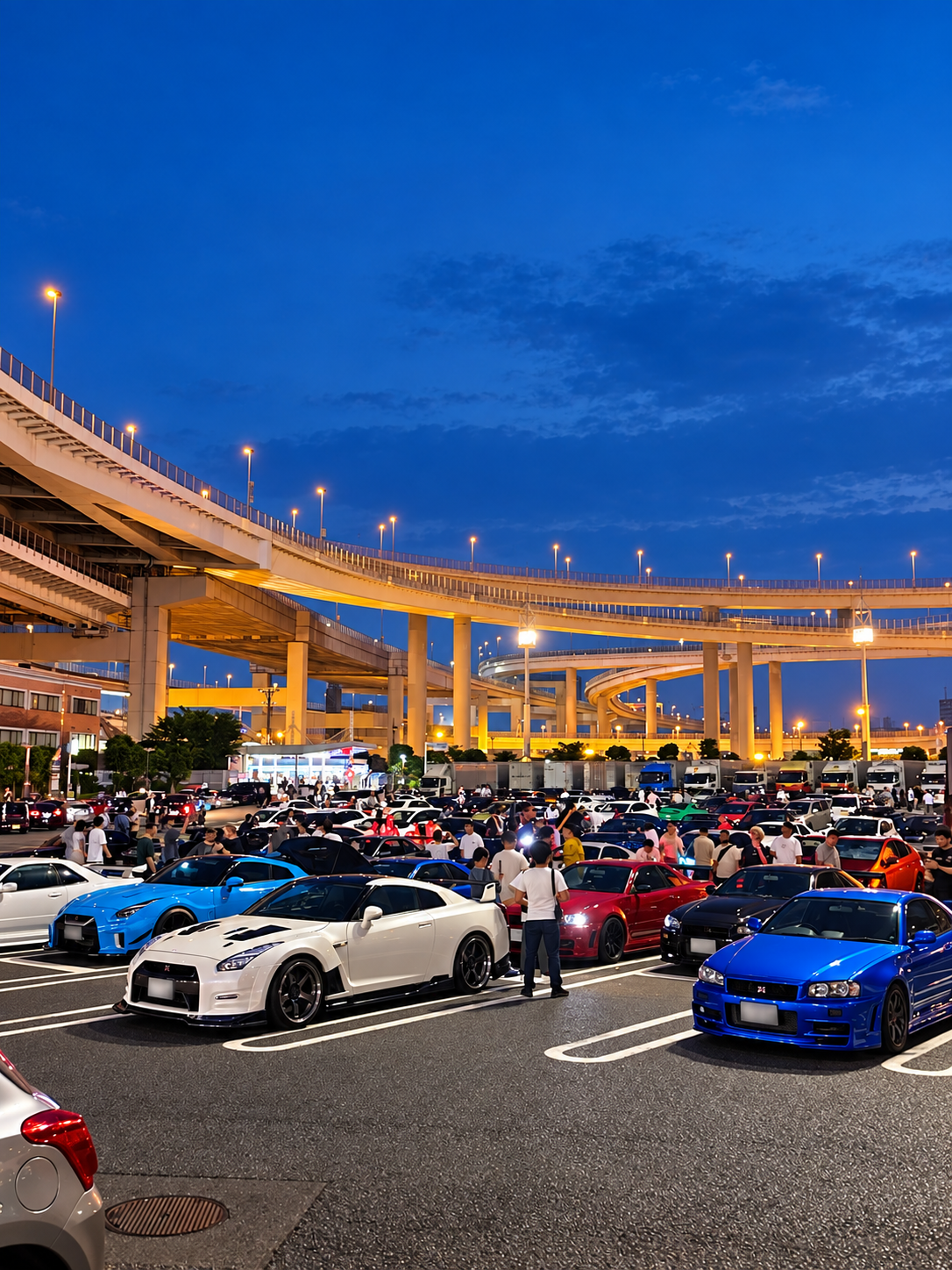
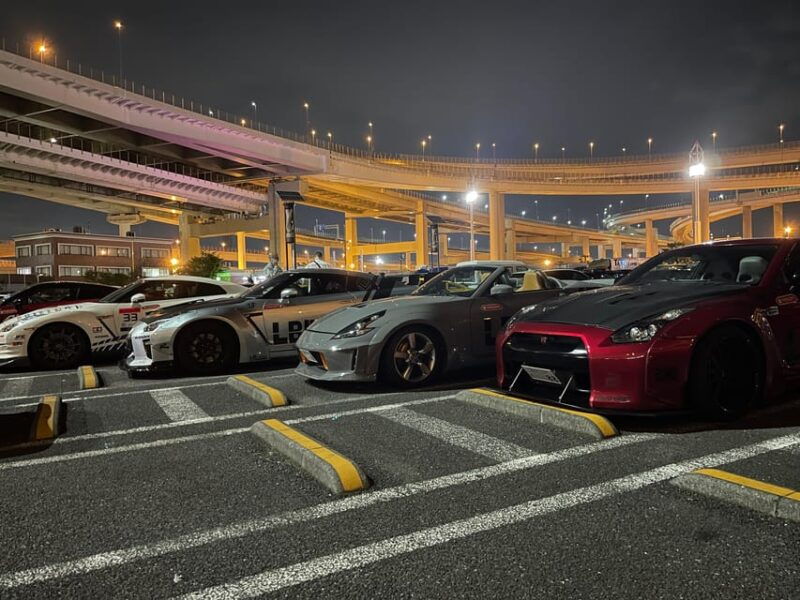
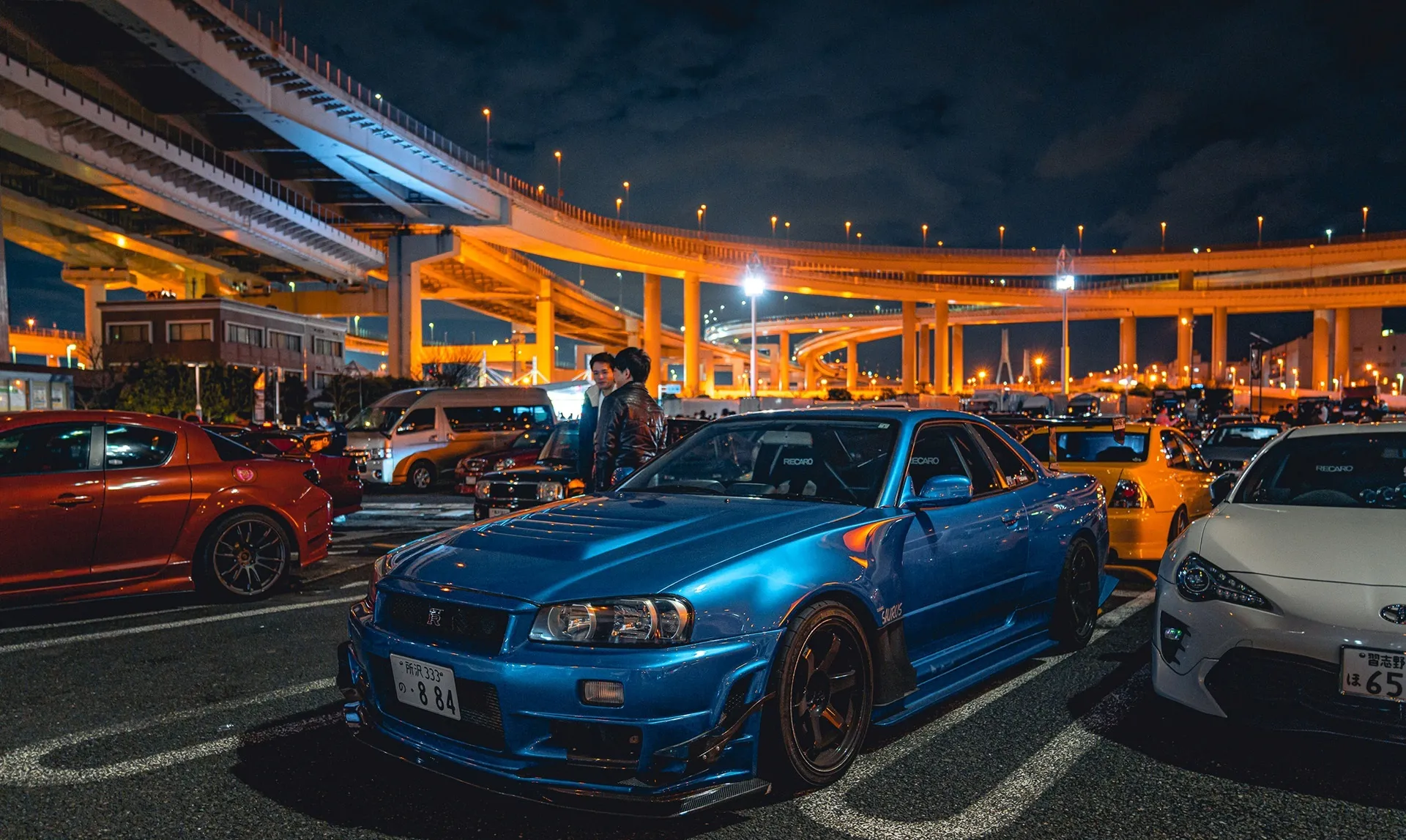
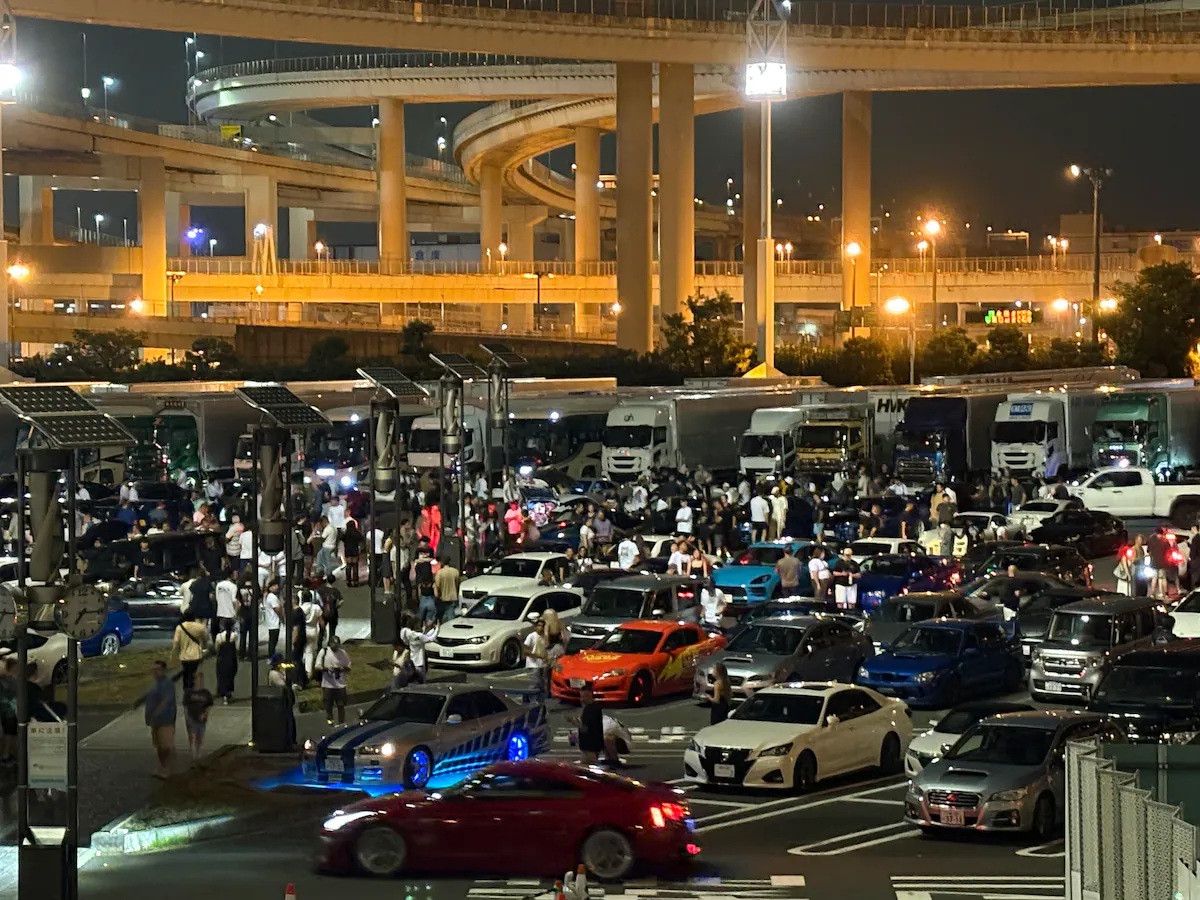
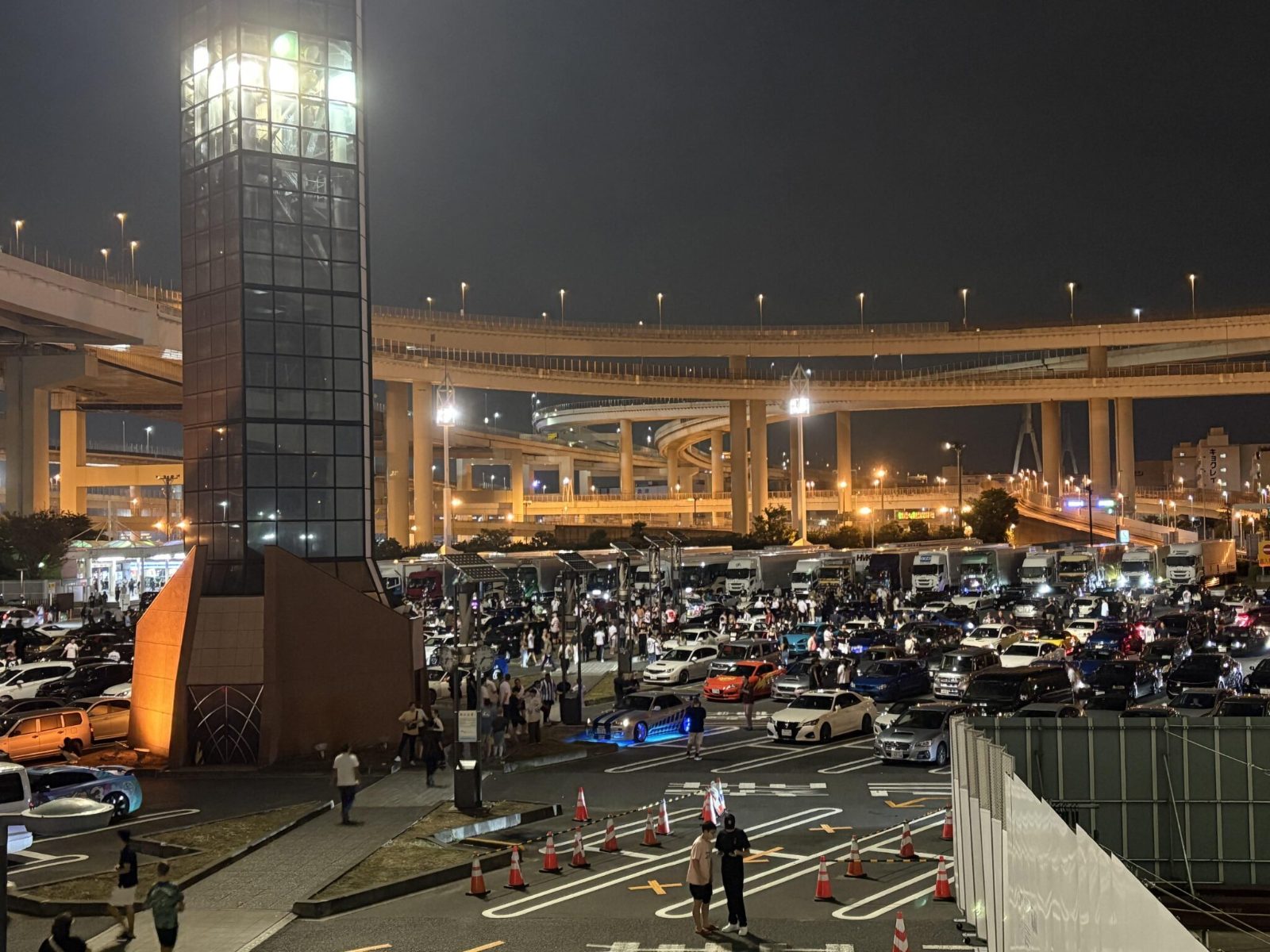
The central hub where hundreds of modified vehicles gather under neon lights each night
Convenience Store
Emergency Lanes
Daikoku Wharf View
Rest Area Facility
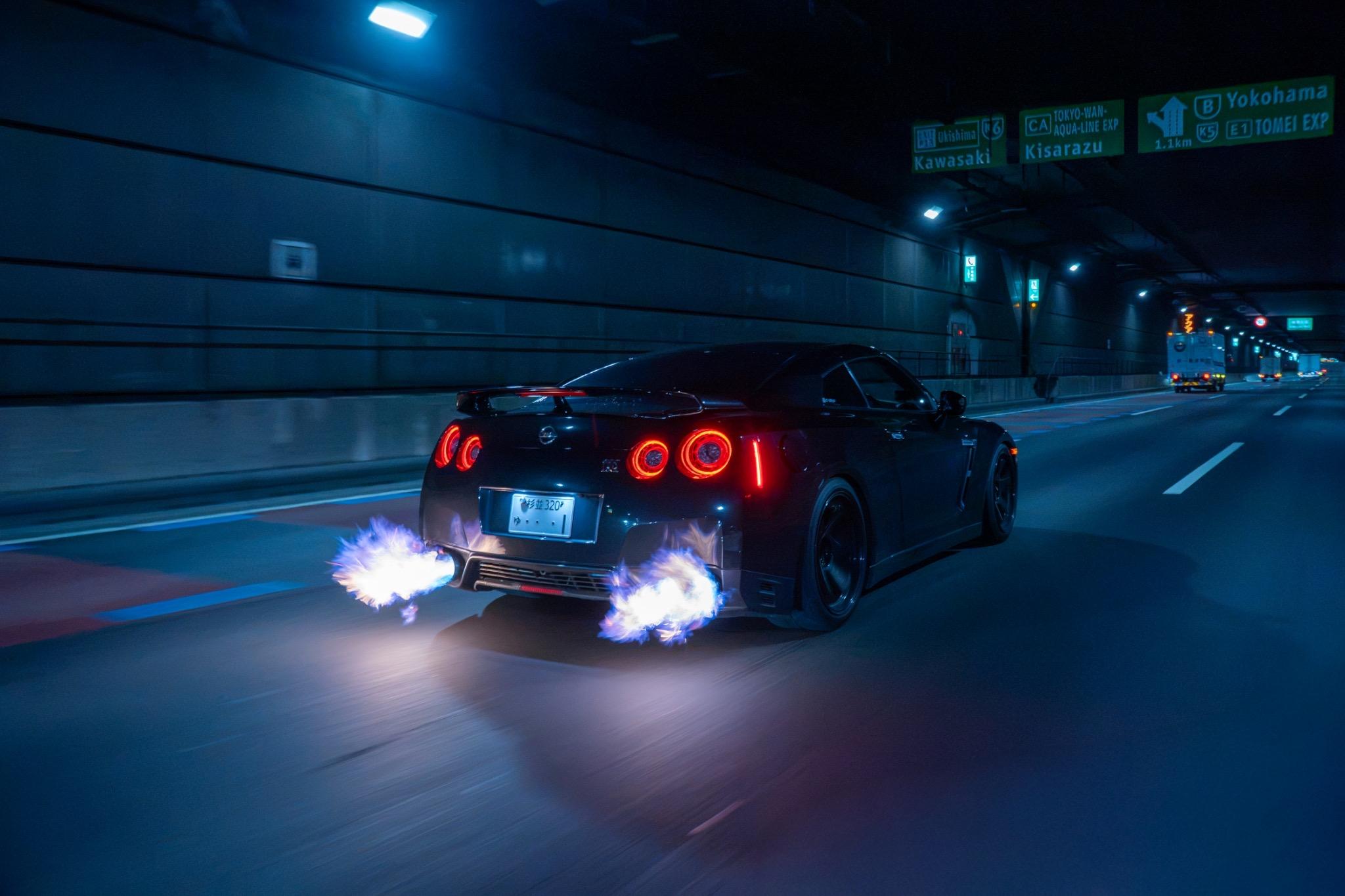
You arrive at Daikoku Parking Area as the sun drops behind the Yokohama skyline, the expressway already humming with the sound of blow-off valves and straight-piped exhausts.
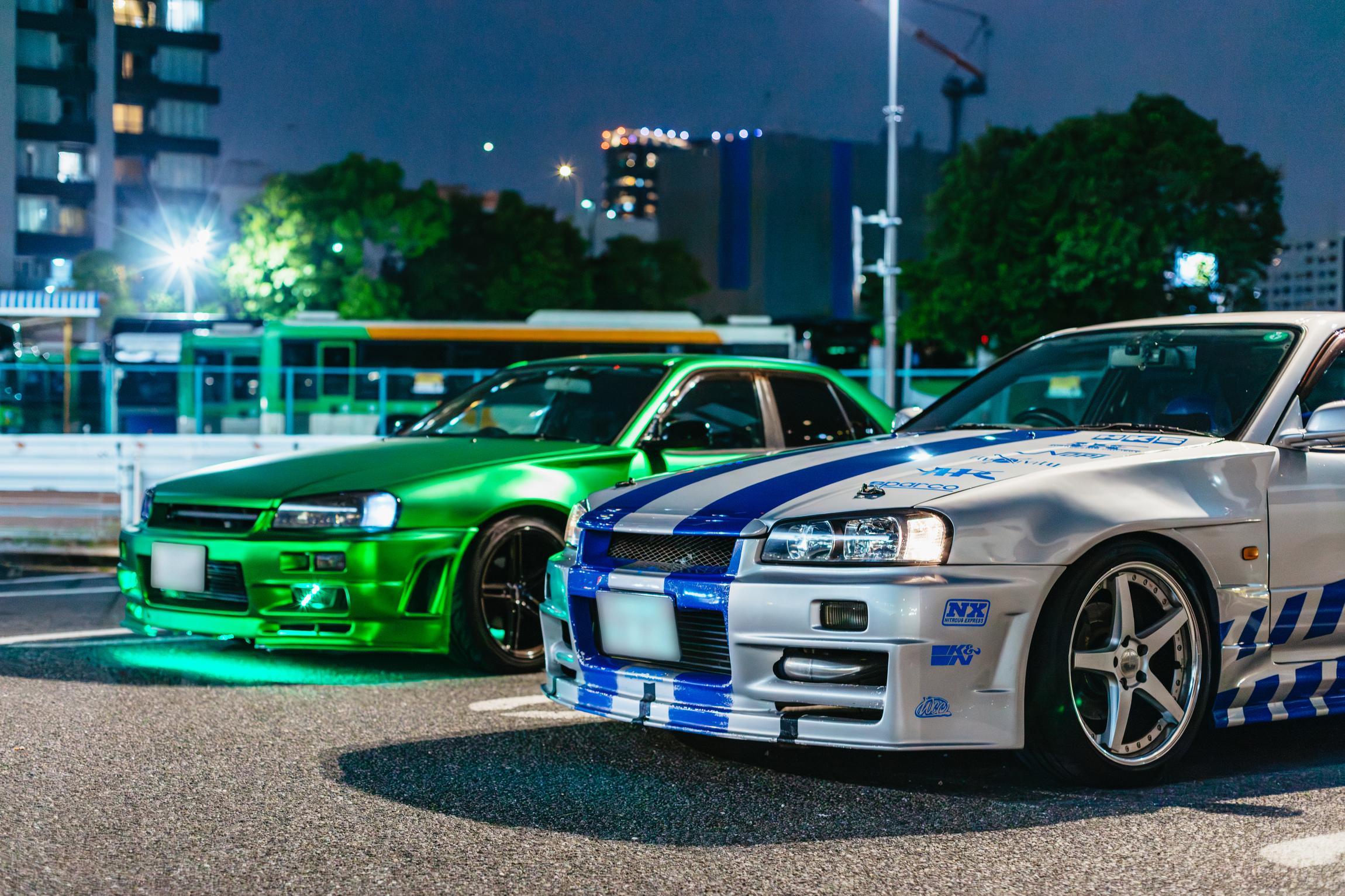
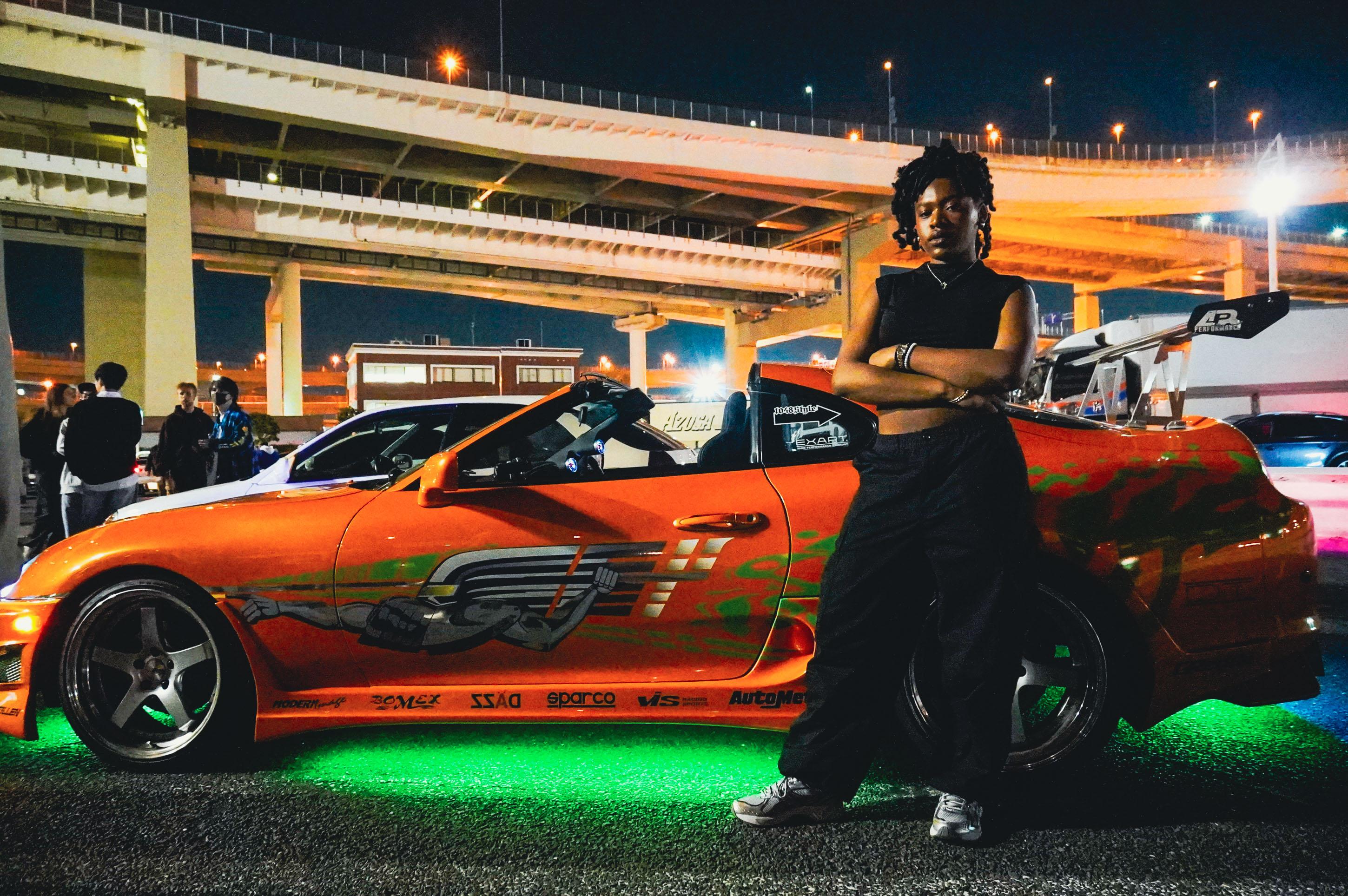
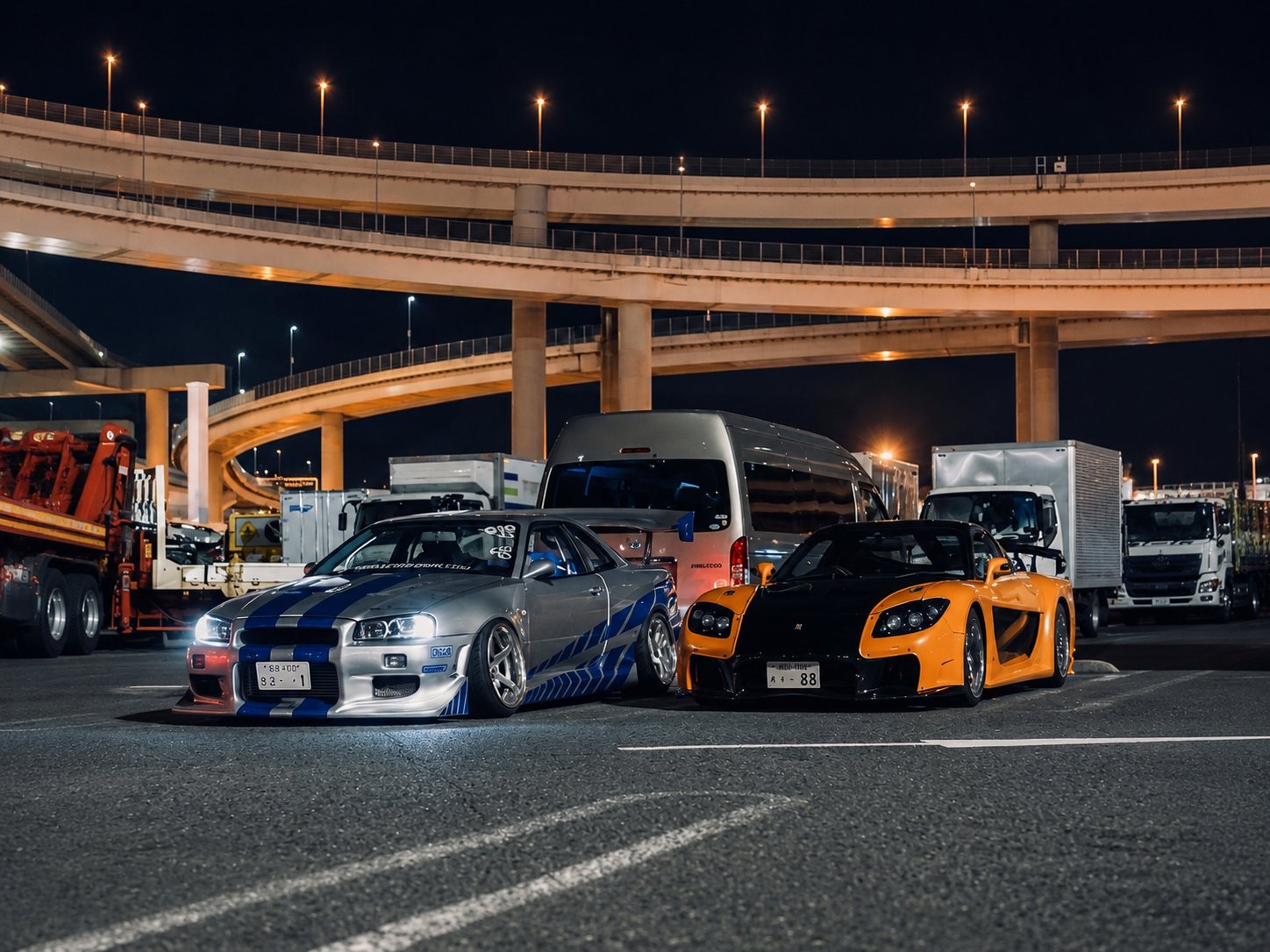
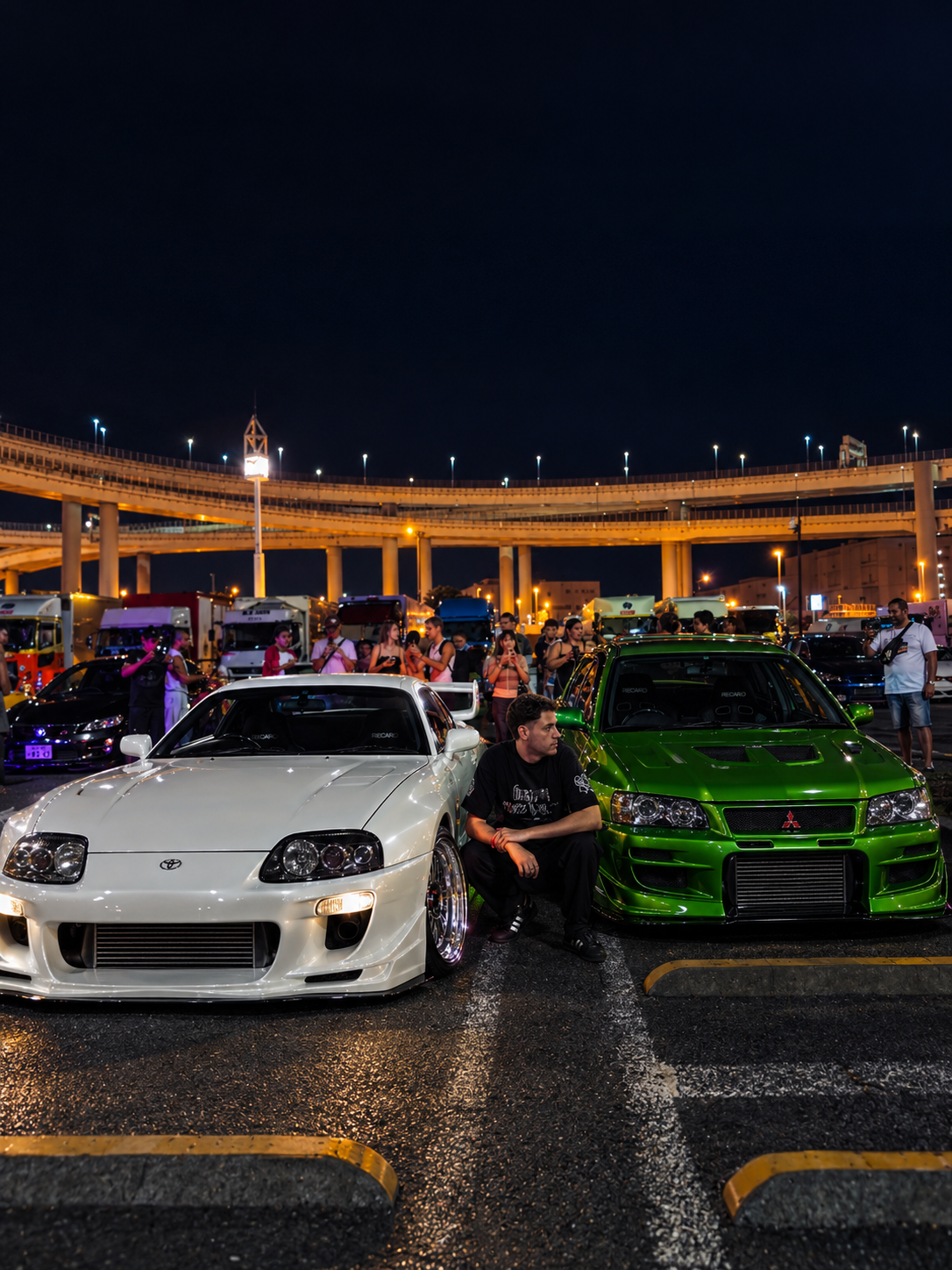
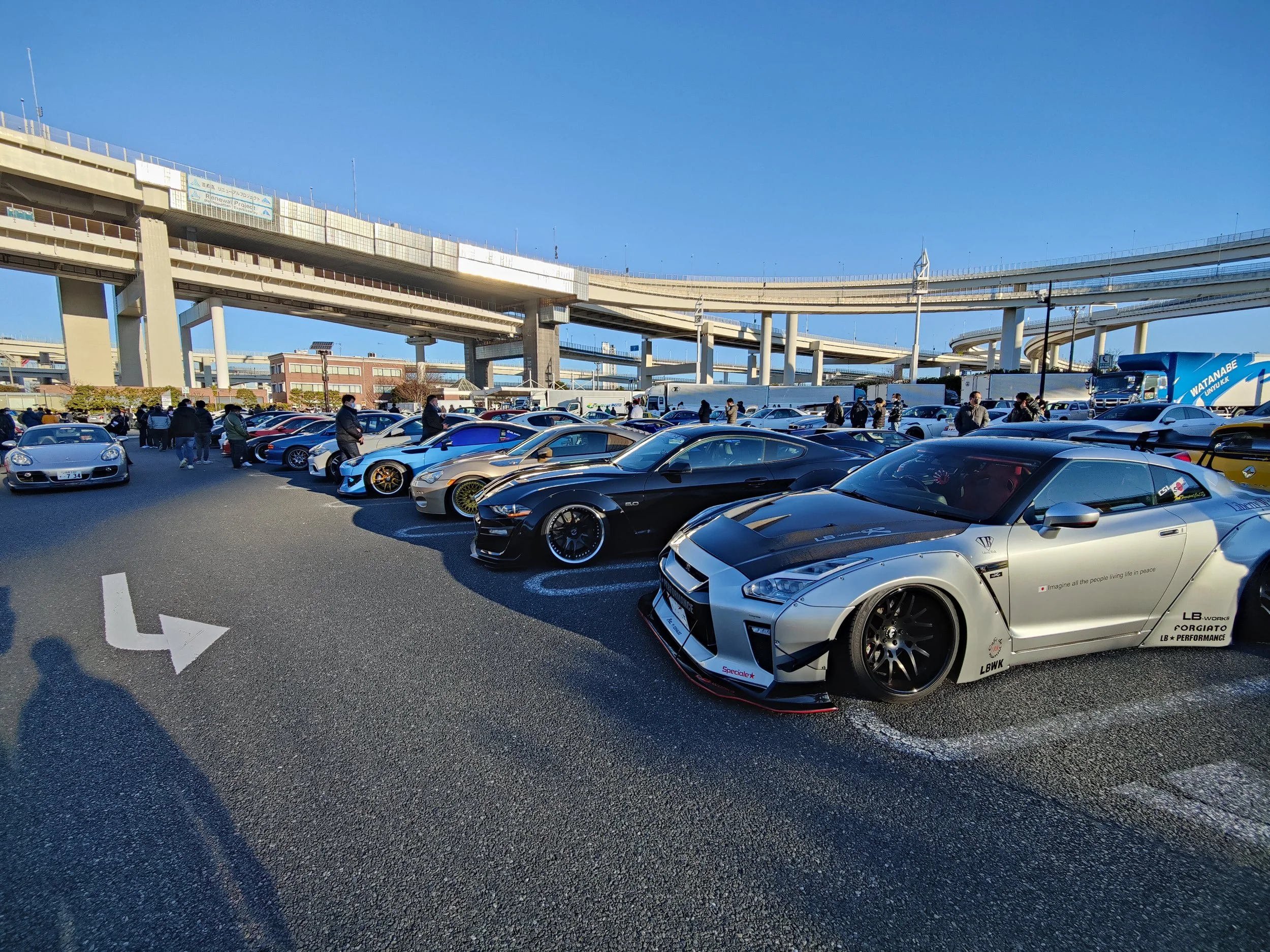
Your guide parks near the central gathering zone, where rows of Nissan GT-Rs sit bumper-to-bumper with Toyota Supras, their owners clustered around open engine bays. You walk the aisles slowly, noting the carbon-fiber hoods, the wide-body kits, the fender-mounted oil coolers — each car a functional art piece shaped by thousands of hours in the garage. At 9 p.m., you climb into a tuned Evolution or WRX for the highway portion of a Tokyo Daikoku Car Meet Tour, accelerating onto the Bayshore Route as the city lights blur into streaks. The driver holds fourth gear through the long curve past Haneda Airport, the turbo spooling audibly, then exits back toward Daikoku for a final lap through the meet before midnight. You pause at the edge of the lot, watching a crew of builders debate camber angles under the sodium glow, the Tokyo Bay container cranes silhouetted against the night sky.
All the details about your upcoming adventure in one place
Daikoku Parking Area opened in 1989 as a service plaza along the Bayshore Route of the Shuto Expressway, yet by the mid-1990s it had become the unofficial cathedral of Japan's tuner culture.
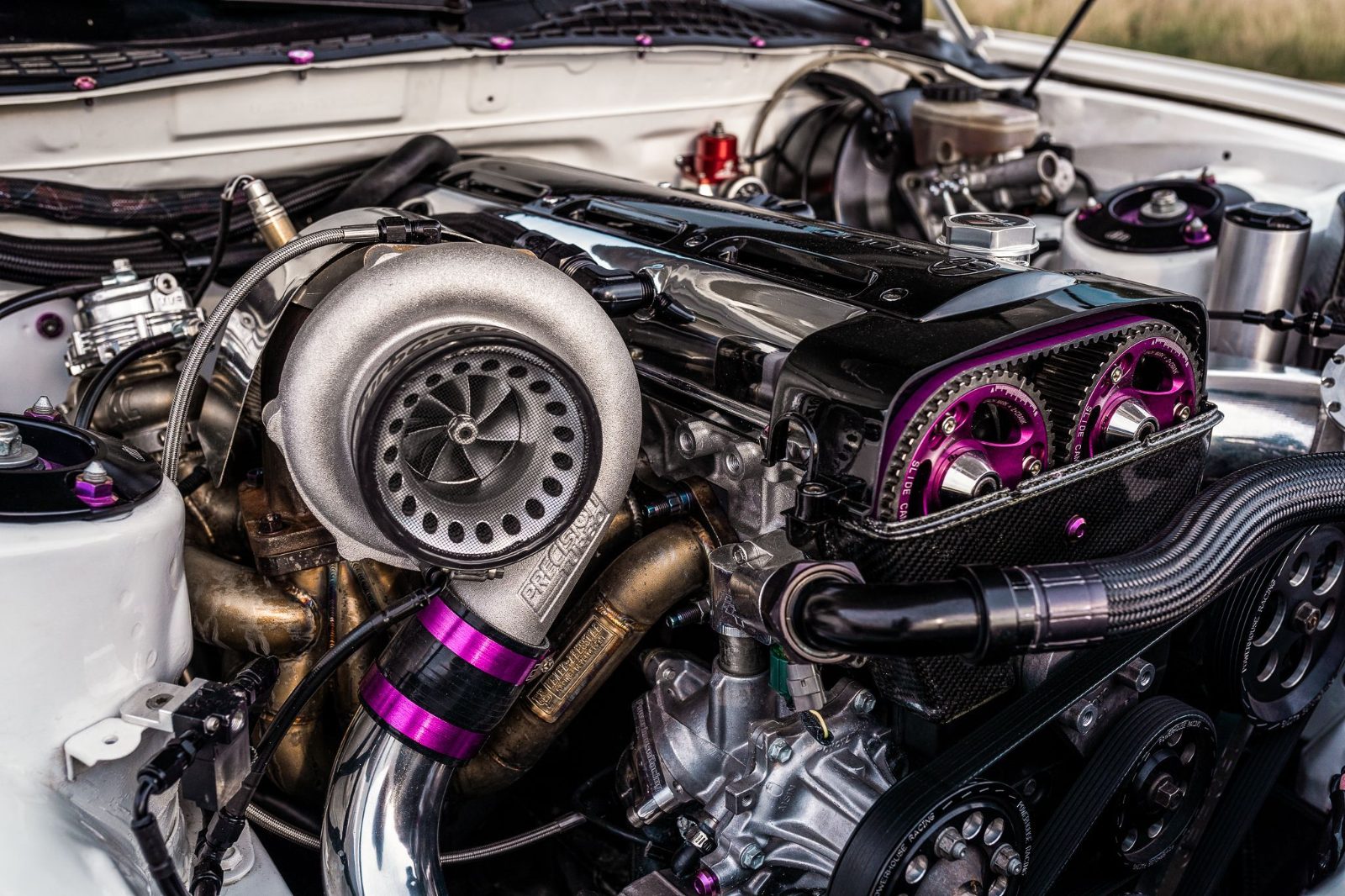
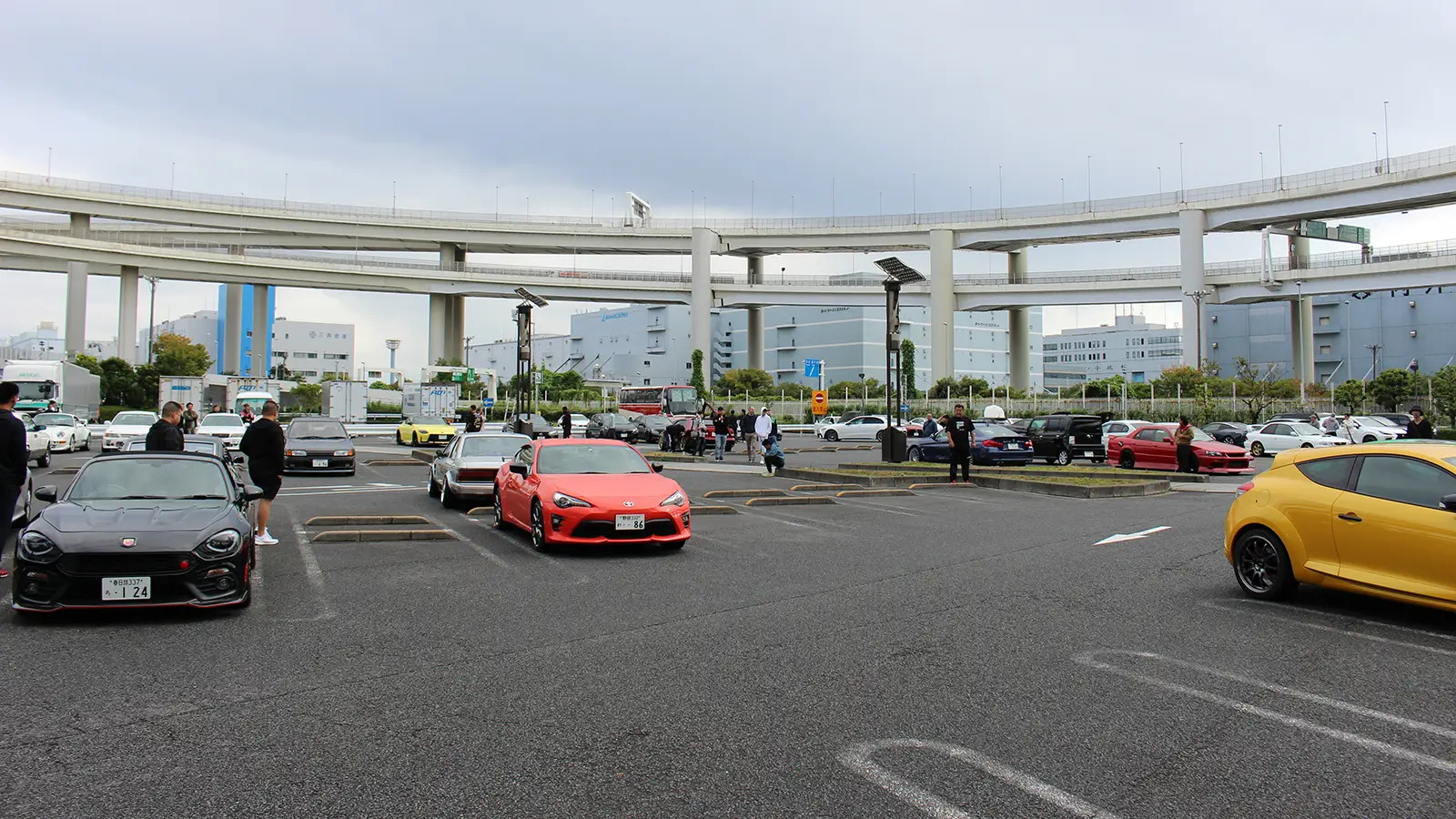
Every weekend night, hundreds of modified Skylines, Supras, RX-7s, and Evos converge beneath the sodium lights, their owners trading stories of dyno runs and track days while the rumble of built engines echoes off the bay. The site sits on reclaimed land in Tsurumi-ku, Yokohama, overlooking the industrial waterfront and the container terminals that frame Tokyo's eastern edge. What began as an organic gathering of enthusiasts has evolved into a pilgrimage for anyone drawn to Japan's JDM legacy — the same machines immortalized in video games, manga, and the Fast & Furious franchise now idle in orderly rows, hoods popped to reveal turbocharged inline-sixes and custom fabrications.
Daikoku's significance extends beyond the hardware. It represents a subculture rooted in precision engineering and the pursuit of incremental gains — owners spend years tuning suspension geometry, optimizing boost pressure, shaving tenths of a second off lap times at circuits like Tsukuba and Fuji Speedway. The parking area became a neutral zone where rival crews and solo builders could meet without the territorial tensions that sometimes flared on mountain passes or urban streets. By the early 2000s, international car magazines began documenting the scene, and automotive photographers camped out to capture the glow of underglow kits and the plumes of exhaust at 2 a.m. Today, police monitor the area closely, occasionally closing access when crowds exceed safe levels, yet the gathering persists as a living museum of Japan's golden era of performance tuning.
The expressway itself holds historic weight. The Bayshore Route, completed in stages through the 1980s, became the proving ground for Wangan racers — drivers who tested top speeds on the long, straight sections between Daikoku and the Rainbow Bridge. Daikoku Futo, the specific exit and rest area, sits at kilometer marker 15, a geographic midpoint that made it a natural rendezvous. The Tokyo Daikoku Car Meet Tour tickets now offered by guided operators provide structured access to this scene, pairing the static car showcase with high-speed runs along the same stretches of tarmac where legends like the Mid Night Club once pushed 300 km/h. These tours typically operate between 8:30 p.m. and midnight, the window when the meet reaches peak density before dispersing ahead of the 2 a.m. police sweeps.

By the mid-1990s it had become the unofficial cathedral of Japan's tuner culture.
Casual attire is appropriate for this open-air automotive hub. Ensure you wear comfortable footwear, as the tokyo daikoku car meet tour experience often involves walking across large parking expanses.
Standard security protocols apply for a public expressway rest area. Keep personal belongings close to you at all times during your tokyo daikoku car meet tour.
Photography of vehicles is a core part of the culture here. Respect privacy and do not obstruct traffic flow while capturing images on your tokyo daikoku car meet tour.
Families are welcome, but be aware that the environment can be loud with engines. Children must be supervised at all times near moving vehicles during any tokyo daikoku car meet tour.
The area is flat and paved, making it accessible for visitors with limited mobility. Accessible restrooms are available near the main building of the Daikoku Parking Area.
There is a convenience store and a snack corner inside the facility. Visitors may bring light refreshments, but please dispose of all waste in designated bins to keep the Daikoku Parking Area clean.
Opening Hours
00:00–23:59
Address
15 Daikoku-futo, Tsurumi-ku, Yokohama, Kanagawa, Japan
Public Access
Open to public as a rest area
Peak Window
20:30–22:30
Facilities
Restrooms and convenience stores available
Entrance Fee
0 JPY
Car · 30m from Tokyo · Varies by traffic
Access is via the Bayshore Route of the Shuto Expressway; note there is no pedestrian entry.
Since access to Daikoku Parking Area is free (0 JPY), there are no booking cancellation fees for visiting independently. Please check specific operator terms if you have booked a private tokyo daikoku car meet tour.
Recommended time
2-3 hours
A tokyo daikoku car meet tour generally requires two to three hours to appreciate the customized vehicles and vibrant automotive subculture. Visitors should time their arrival carefully as the best arrival window is 20:30–22:30, though the site may experience sudden closures if authorities deem the expressway rest area overcrowded. Planning your tokyo daikoku car meet tour tours requires flexibility, as spontaneous police intervention can shorten a visit regardless of your tokyo daikoku car meet tour tickets. Expect fluctuating traffic as enthusiasts cycle through the parking stalls to showcase their modified machines.
Crowd levels through the day
Weather · crowds · average price — dots go green to amber to red as each metric rises.
Mild temperatures make night viewing pleasant and comfortable.
Friday and Saturday nights attract heavy police scrutiny and potential site closures.
Daikoku Parking Area opened in 1987 as a standard service plaza along the Bayshore Route of the Shuto Expressway, designed to serve commercial truckers hauling freight between Yokohama Port and central Tokyo. Within two years, modified sedans and coupes began appearing in the lot after midnight, drawn by the open 24-hour access, proximity to the Wangan toll road, and unobstructed views of the bay. By 1992, the informal gatherings had crystallized into a weekly ritual, with owners of Nissan Skylines, Toyota Supras, and Mazda RX-7s convening every Sunday night to compare engine swaps and discuss track times. The parking area became the staging ground for the Wangan racing subculture, a nocturnal economy of tuners, photographers, and street racers that would define Tokyo's automotive underground through the 1990s. Police began issuing citations for illegal modifications in 1998, and management imposed temporary closures during peak weekend hours to disperse crowds exceeding 800 vehicles. The crackdown coincided with the release of the *Wangan Midnight* manga and arcade game, which romanticized the very culture authorities sought to suppress. By 2003, Daikoku had evolved from a clandestine meet into a semi-sanctioned spectacle, with international automotive journalists and filmmakers documenting the scene. The 2006 premiere of *The Fast and the Furious: Tokyo Drift* amplified global interest, drawing tourists who arrived expecting choreographed stunts but found instead a disciplined community observing strict no-burnout, no-revving protocols. Today, tokyo daikoku car meet tour experiences operate within a framework negotiated between event organizers, Kanagawa Prefectural Police, and expressway management. The parking area remains free to enter, though officers reserve the right to close access if attendance threatens traffic flow on adjacent ramps. Modified Nissan GT-Rs and restored Hakosuka Skylines still dominate the lineup, flanked by imported American muscle cars and European supercars. The meets now occur year-round, with the largest gatherings coinciding with automotive festivals and product launches, preserving Daikoku's reputation as the proving ground where Japan's tuning philosophy meets global car culture.
Daikoku Parking Area opens as a service plaza on the Shuto Expressway Bayshore Route, intended for truck drivers and travelers.
Modified sports cars begin gathering informally at night, establishing the parking area as a meeting point for Wangan racers and tuners.
Police enforcement increases following complaints about illegal modifications, noise, and overcrowding during weekend meets.
International media coverage transforms Daikoku from underground venue into a documented automotive subculture landmark.
Release of *Tokyo Drift* drives surge in foreign visitors and cements the parking area's global reputation.
Organized tokyo daikoku car meet tours emerge, offering guided access to the meets within police-approved protocols.
Daikoku continues as a 24-hour free-access meet, attracting JDM collectors, supercar owners, and automotive tourists from around the world.
Stand near the central islands to capture the dense lineup of modified JDM vehicles under the industrial floodlights. This spot provides the clearest view of the diverse machinery gathered for your tokyo daikoku car meet tour.
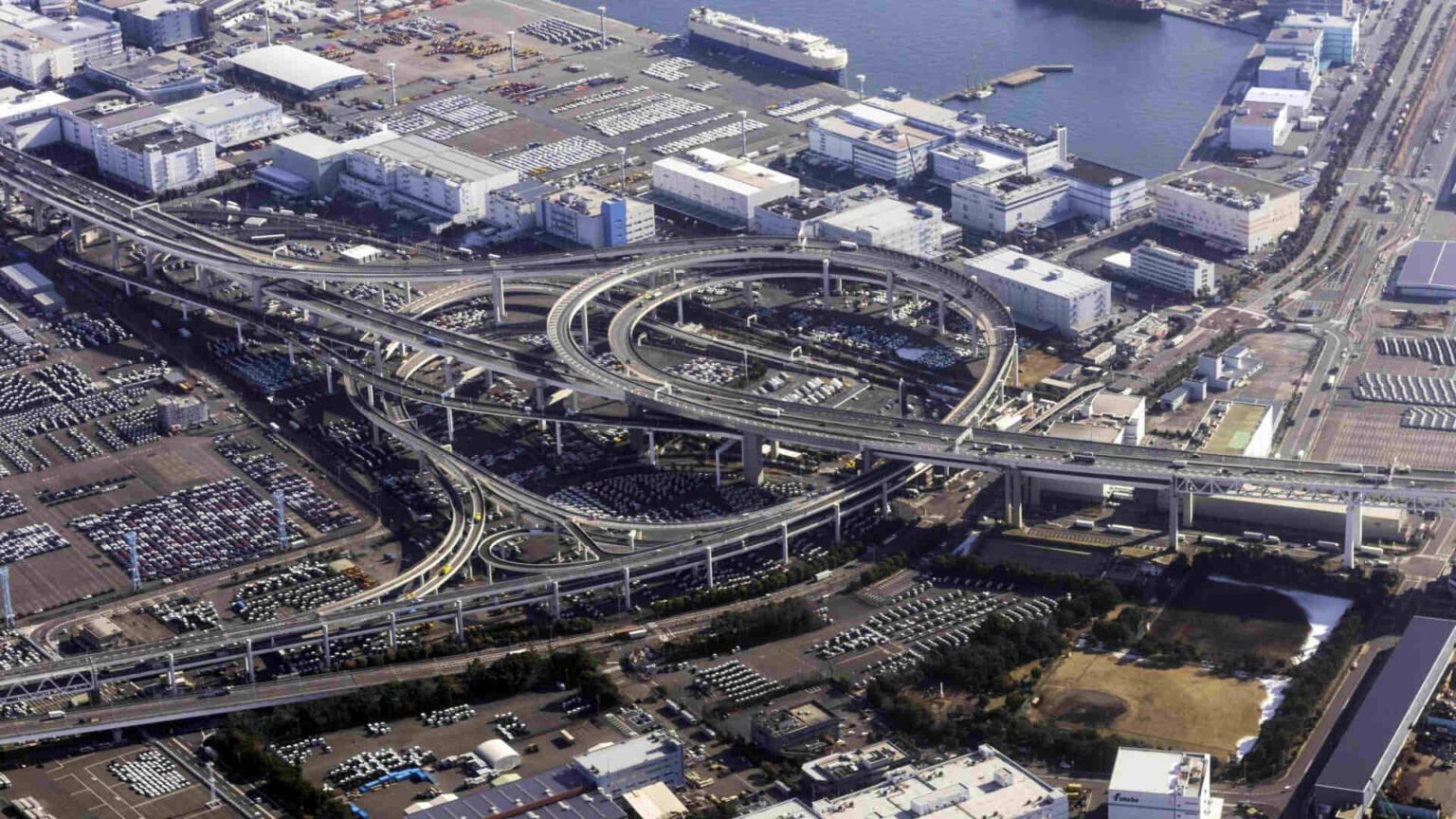
Position yourself near the curved concrete barriers to photograph incoming cars navigating the iconic junction. This elevated perspective highlights the mechanical movement of the vehicles entering the venue.
Walk the perimeter path to gain an overhead vantage point of the entire layout. It serves as an ideal location for those seeking tokyo daikoku car meet tour tours coverage of the expansive, crowded facility.
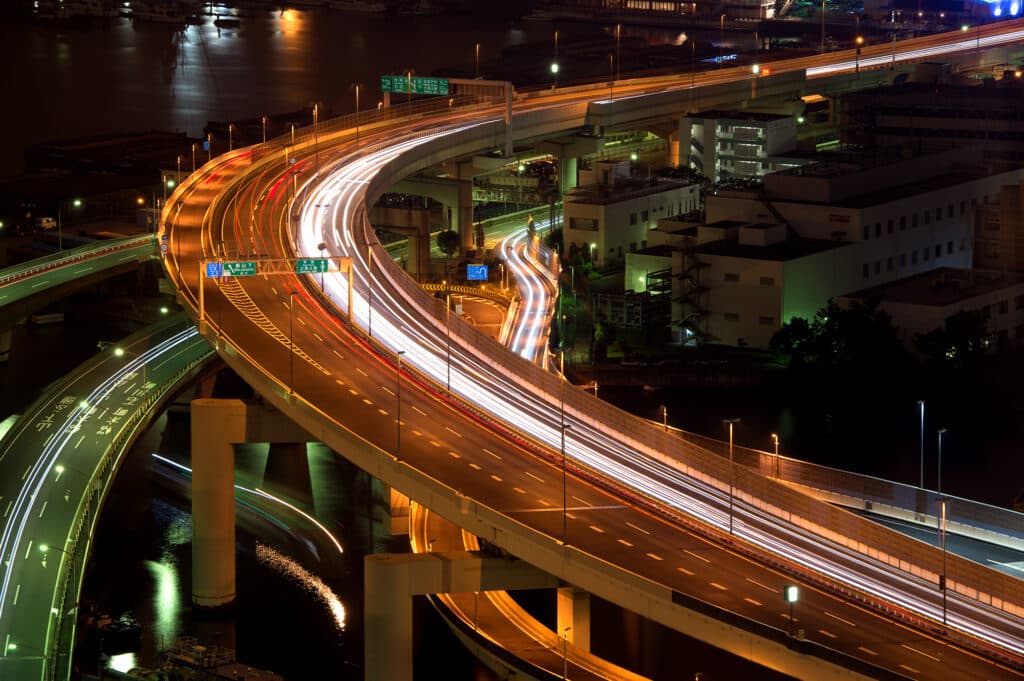
Capture the taillight trails of departing cars as they merge back onto the Wangan Route from this distinct vantage point. This location effectively conveys the motion and energy of the local car culture.
Planning a tokyo daikoku car meet tour with children requires careful coordination since this public expressway rest area lacks traditional pedestrian amenities. While enthusiasts enjoy the vibrant automotive scene, the environment is industrial and lacks dedicated play areas for younger visitors.
The facility at 15 Daikoku-futo, Tsurumi-ku, Yokohama, Kanagawa, Japan is paved and accessible, but keep children close as this is a high-traffic motor vehicle hub. Parents often find that standard strollers work well here, though navigating through tokyo daikoku car meet tour tours requires constant vigilance near parking bays.
This location is most suitable for teenagers or children with a genuine interest in automotive culture who can handle late-night pacing. Younger children may find the loud engines and lack of seating challenging during the peak arrival window of 20:30–22:30.
Restrooms are available on-site, though they are standard public facilities without specialized family amenities. Please plan accordingly for tokyo daikoku car meet tour tickets holders who need to manage extended periods outside of a vehicle.
Since there is a 0 JPY entrance fee, you have the flexibility to depart whenever your group reaches their limit. We recommend keeping your visit short to ensure children remain comfortable and well-rested during the tokyo daikoku car meet tour tour.
Limited options exist within the rest area, so bringing snacks and water is essential for families. This approach simplifies your visit as you rely on your own supplies rather than seeking dining during the busy tokyo daikoku car meet tour event.
Dining options during your tokyo daikoku car meet tour are primarily limited to on-site facilities, making it essential to plan your refreshments accordingly. Whether you are seeking a quick snack or a modest meal to sustain you during the festivities, the parking area provides enough variety for a standard visit.
Open 24 hours, this shop is ideal for picking up quick snacks, onigiri, and hot drinks. It is located conveniently behind the EV charging station for visitors needing a fast energy boost.;Daikoku Food Court
Everything you need to know for your journey
The Daikoku Parking Area is open 24 hours daily from 00:00–23:59. You can visit at any time for your tokyo daikoku car meet tour.
Entry is 0 JPY as this is a public rest area. You do not need tickets to enter the Daikoku Parking Area.
The best arrival window is 20:30–22:30, which is when the highest density of vehicles gathers.
Yes, families can visit, but please supervise children closely as the Daikoku Parking Area has active traffic.
Access is by car only via the Shuto Expressway. You cannot walk into the Daikoku Parking Area.
Yes, there are convenience stores and a snack corner within the Daikoku Parking Area facility.
Small hand-held cameras are fine, but do not use large setups that block the flow of vehicles or people during your tokyo daikoku car meet tour.
Yes, the flat, paved surface of the Daikoku Parking Area is wheelchair accessible.
You must travel by car or join a professional tokyo daikoku car meet tour as there is no public transit access.
View the harbor lights and massive shipping vessels.
High-end hotels and urban lifestyle hub.
Join thousands of happy travelers who have discovered this incredible experience
Book Your Experience Now