3 hr
Fast & Furious Tokyo Drift Experience
- Entry ticket
- Mobile voucher
- Valid same day
- Free cancellation
Tokyo Car Meet Tickets — Daikoku PA JDM Night Drives
Reserve guided drives in legendary tuned machines, peak Friday nights under the Daikansatsu Bridge.
Compare fares, pick the fit — all bookings are mobile-voucher and eligible for free cancellation where shown.
3 hr
3 hr 30 min
3 hr 30 min
Daikoku Parking Area is an unofficial gathering spot, meaning there are no official tokyo car meet tickets required for entry. Visitors may choose between independent transit or joining specialized guided experiences to access the location.
| Independent Visit Self-Guided Access |
Top pick Guided JDM Tour Inclusive Experience |
|
|---|---|---|
| Entrance Fee | 0 JPY | Variable tour pricing |
| Access Method | Personal vehicle or taxi | Pre-booked private transport |
| Schedule | Spontaneous/Flexible | Fixed itinerary duration |
| Best For | Experienced car spotters | First-time international visitors |
| Inclusions | Parking space access | Expert guide and transport |
| See tickets & prices |
Verdict: If you are new to the area, we suggest booking tokyo car meet tickets tours to ensure reliable transportation and local insight.
Worth it for guided JDM enthusiasts
Daikoku Parking Area itself charges no admission—entry is free, though expressway tolls apply if you're driving. The real question is whether tokyo car meet tickets for guided experiences justify their cost. These bookable JDM night tours package transportation, expert commentary, and access to iconic drift locations or passenger rides in legendary cars like the Skyline R34, Supra, and Silvia. If you're a casual observer content to watch modified cars gather organically on Friday and Saturday nights (peak activity 19:00–23:00), skip the guided options and visit independently. But if you want curated access to the JDM scene—ride-alongs in tuned machinery, context from knowledgeable hosts, and stops at Tokyo Drift film locations—the structured tokyo car meet tickets tours deliver far beyond what a self-guided parking area visit offers. The value hinges on how deeply you want to engage with Japanese car culture: enthusiasts gain storytelling, access, and seat time that free entry alone cannot provide.
Bottom line: Free entry suits casual spectators; guided JDM experiences are worth the premium for enthusiasts seeking insider access and ride-along thrills.
They complement each other; most visitors who do both call the guided tokyo car meet tickets tour the more reliable way to navigate the scene.
|
Top pick Daikoku Parking Area |
Guided JDM Tour | |
|---|---|---|
| Access | Expressway vehicle only | |
| Admission | 0 JPY (Free) | From $110 (varies) |
| Best Timing | 19:00–23:00 (Fri/Sat) | Typically 3–5 hour evening windows |
| Transport | Self-drive required | Included (private vehicle) |
| Cultural Context | Spontaneous & unstructured | Guided JDM storytelling |
| Police Presence | High (periodic closures) | High (tours manage access) |
| See tickets & prices |
Verdict: If you have a rental vehicle, visiting independently provides total freedom, but booking a tokyo car meet tickets tour ensures stress-free entry and deeper insight into the local car culture.
Hand-picked experiences loved by thousands of travelers
4 hours
Free Cancellation
Experience Tokyo's legendary street car meet from the passenger seat of a rally-bred turbocharged icon
3 hours
Free Cancellation
Experience Tokyo's highway culture from inside a privately-owned modified Japanese sports car
3 hours
Free Cancellation
Cruise Tokyo's iconic streets in a classic Japanese sports car and immerse yourself in the legendary Daikoku parking scene
2.5 - 3 hours
Free Cancellation
Ride in authentic tuned Japanese sports cars through Tokyo's famous highways to the legendary Daikoku car meet
3 hours
Free Cancellation
Cruise Tokyo's highways in a Japanese sports car and visit the iconic Daikoku Parking Area car meet
3 hours
Free Cancellation
Cruise to Japan's legendary street racing hub in premium transport with resident car enthusiasts
3 - 6 hours
Free Cancellation
Drive Tokyo's streets in an iconic Fast & Furious-inspired R34 Skyline with a pro photographer behind the wheel
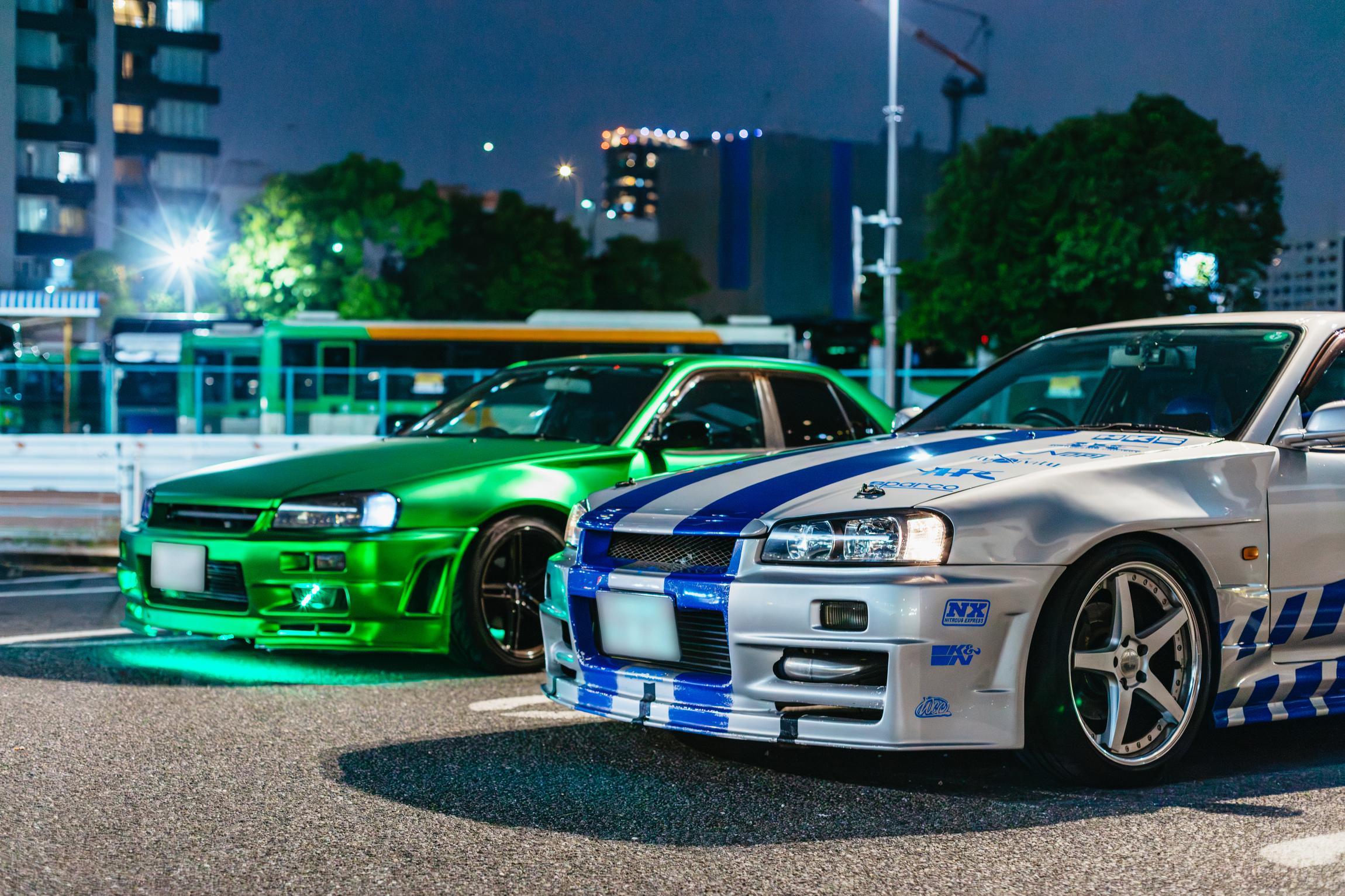
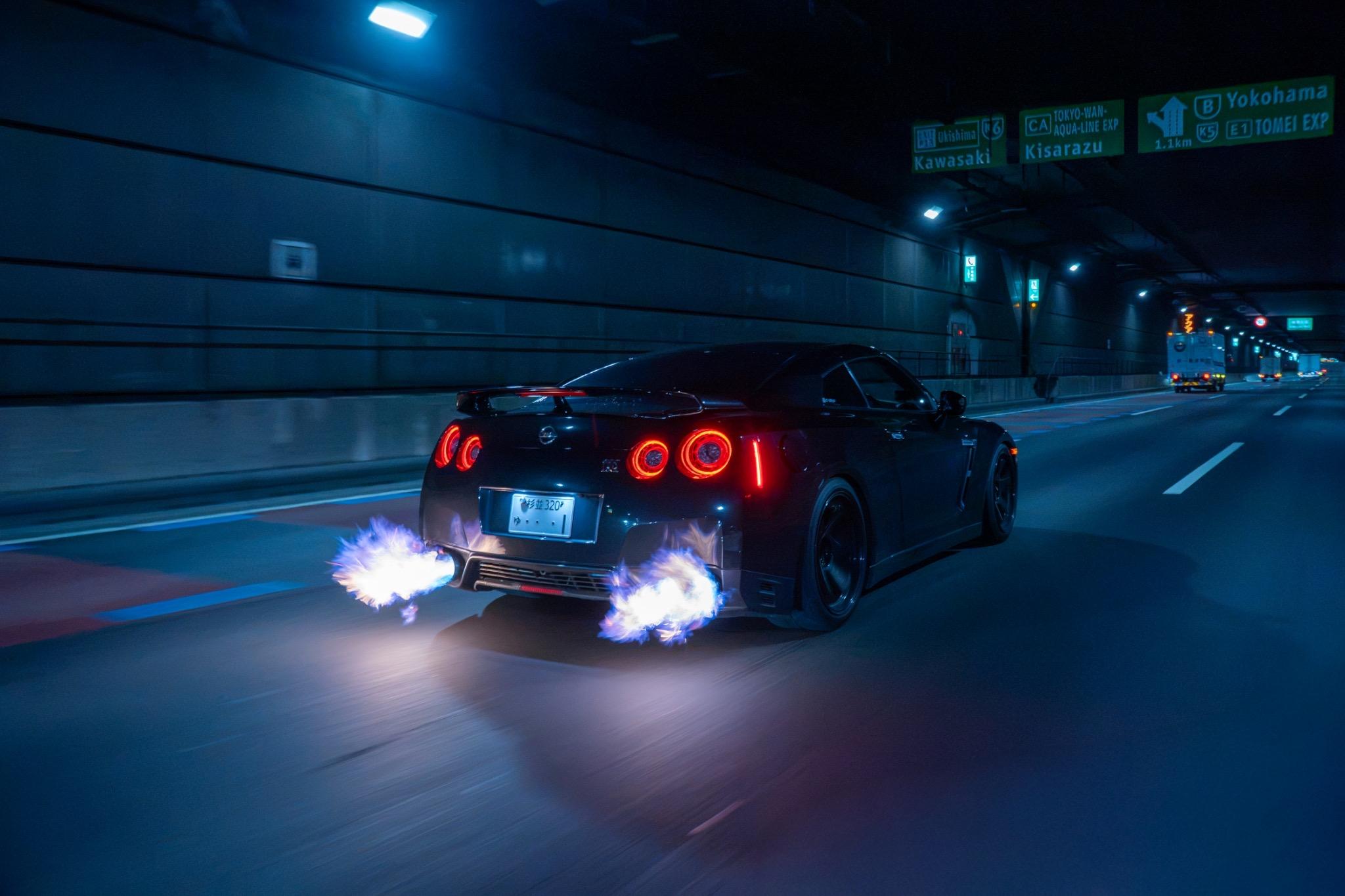
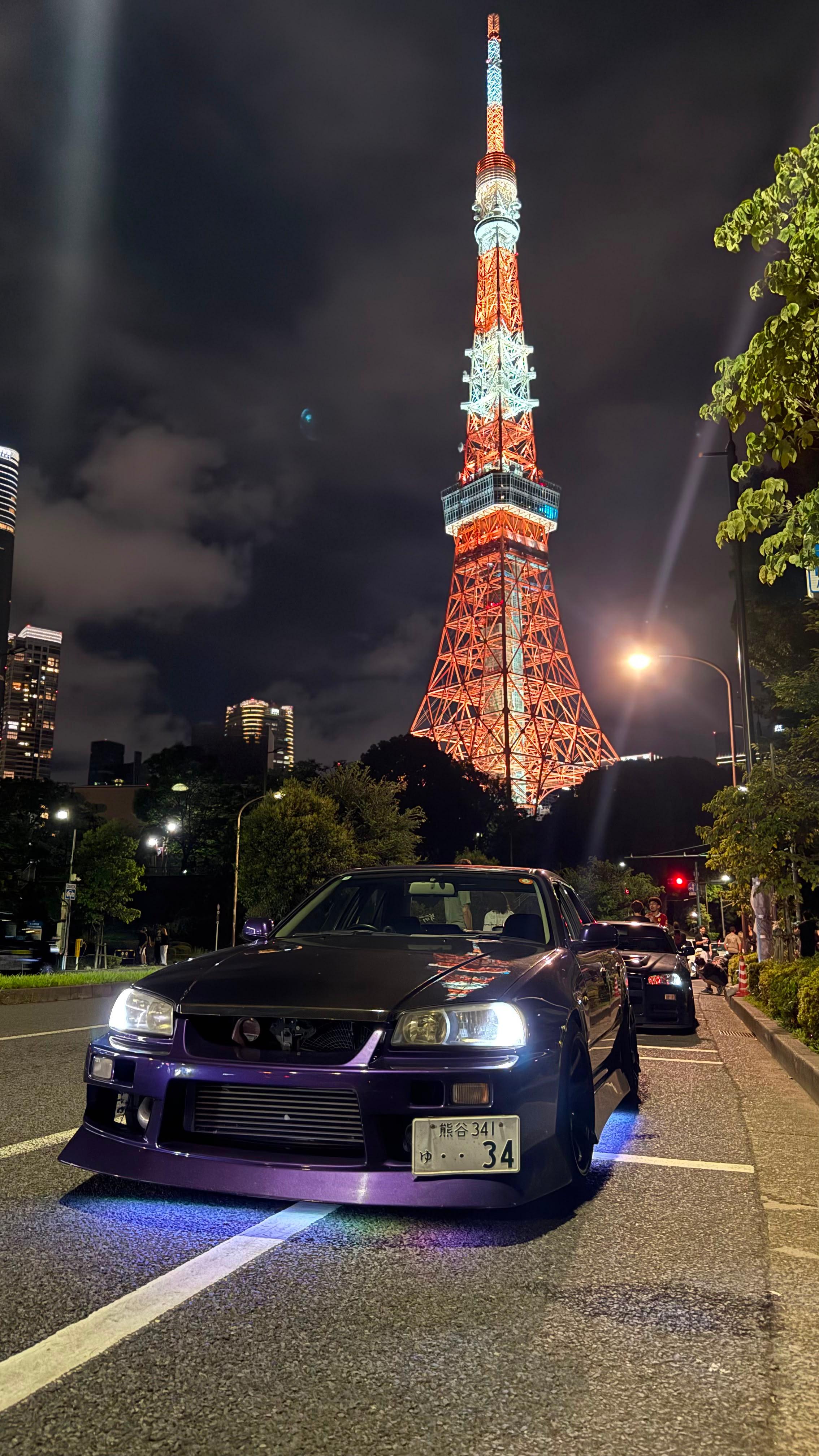
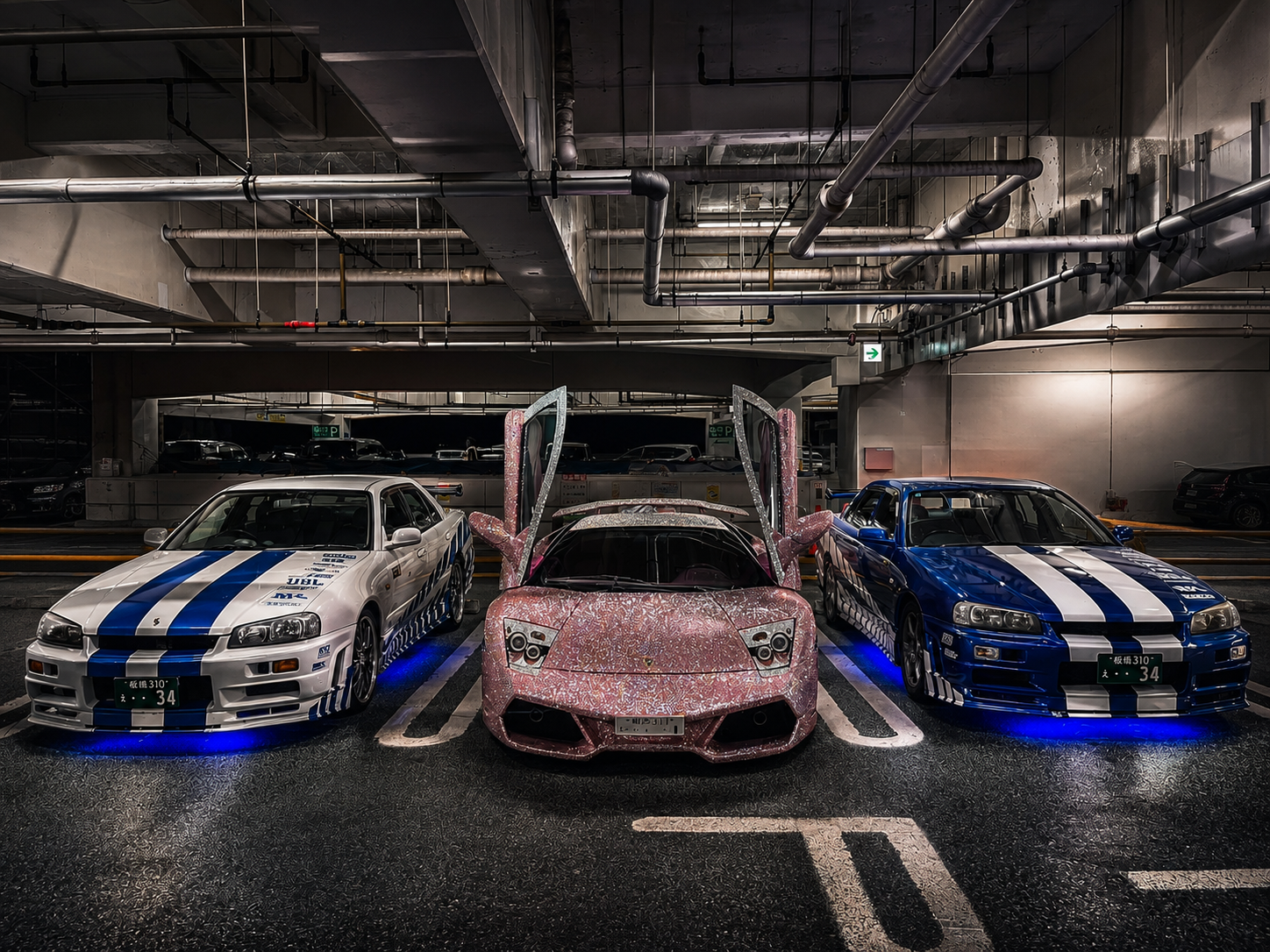
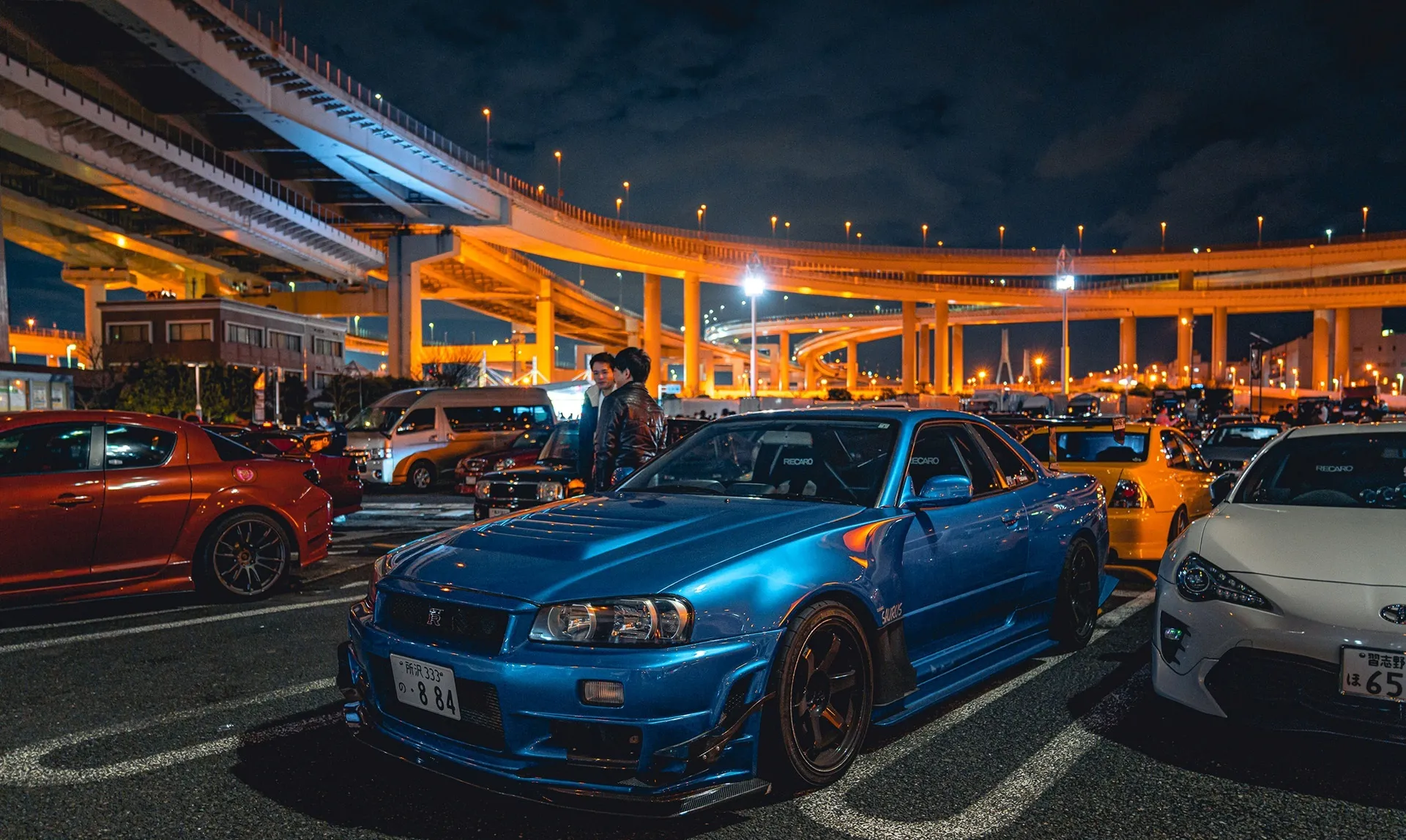
You meet your guide in Shibuya as dusk settles over the Yamanote loop, then slide into the passenger seat of a tuned Nissan Skyline R34—its RB26 inline-six idling with a mechanical rasp that vibrates through the chassis.
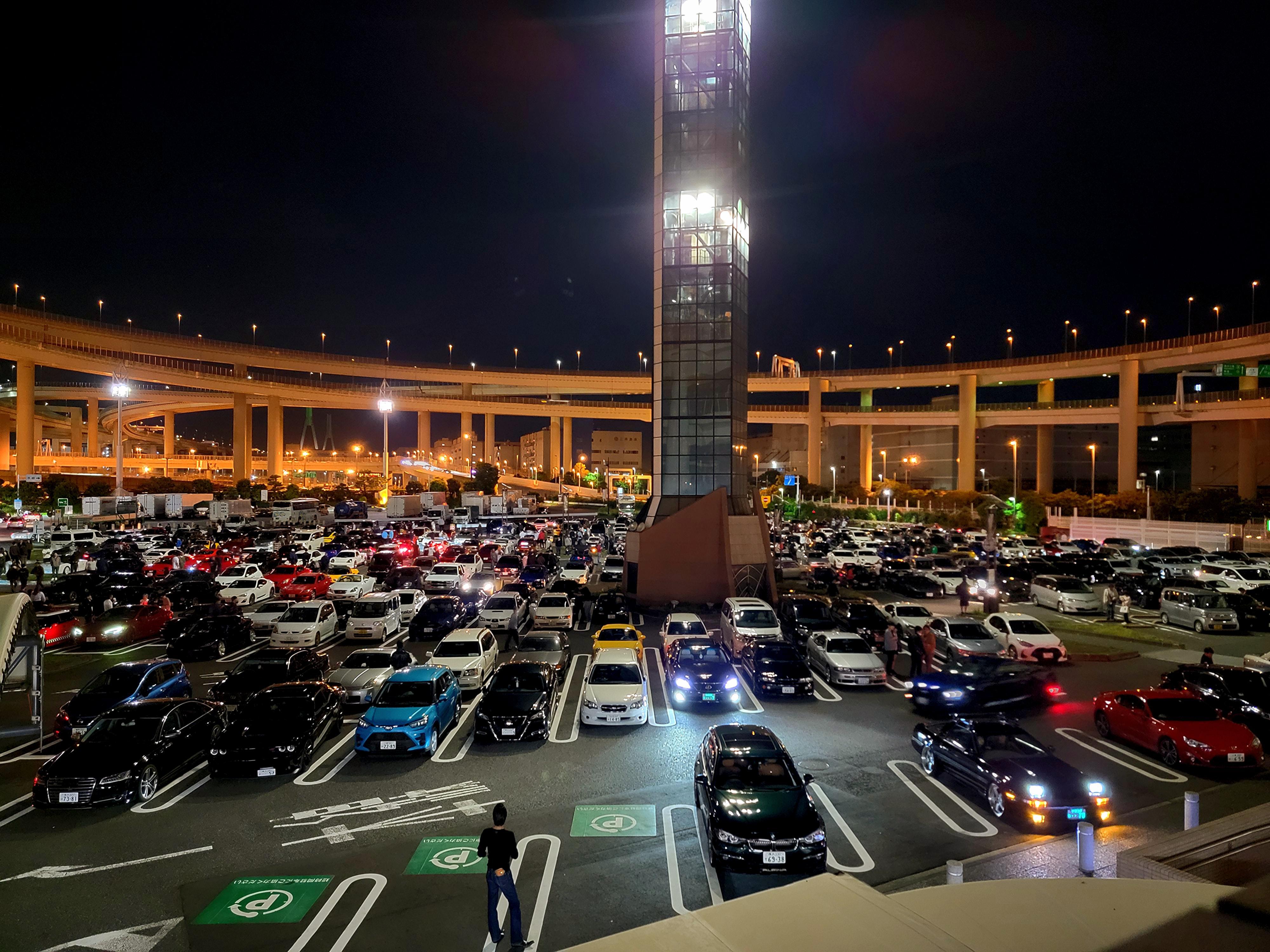
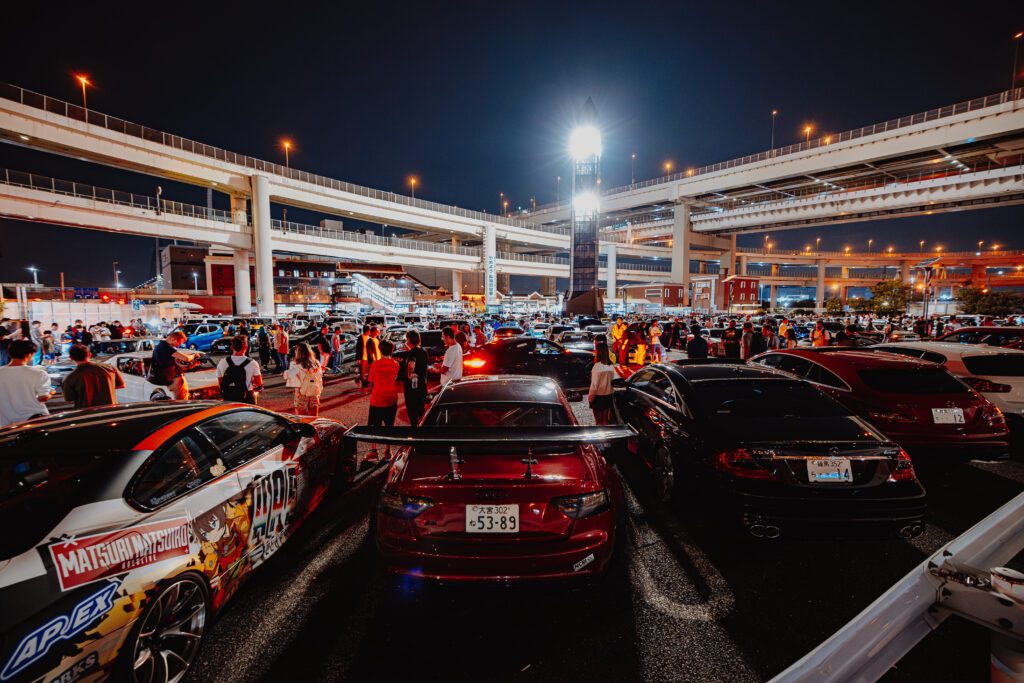
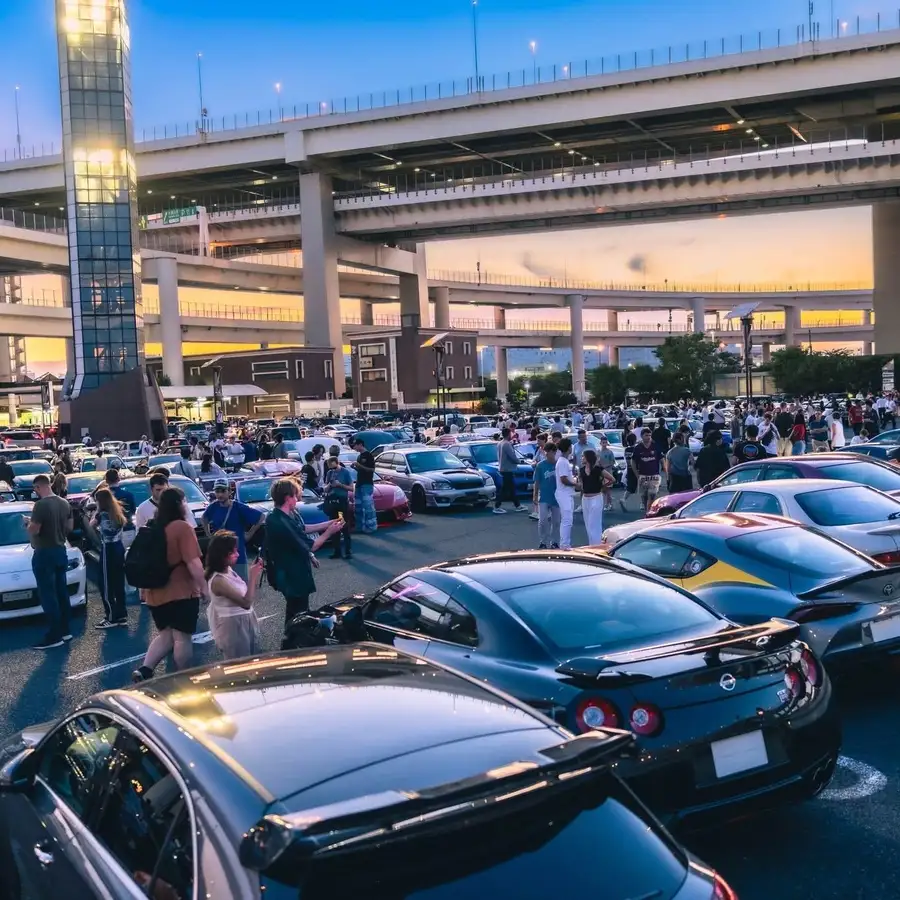
The driver merges onto the Shuto Expressway at Shibuya interchange, threading through evening traffic as the elevated roadway cuts between Roppongi's office towers and the dark expanse of Tokyo Bay. Fifteen minutes later, the car climbs the approach ramp to Daikoku Parking Area, where rows of modified machines sit beneath halogen floods and the Daikansatsu Bridge's steel spans.
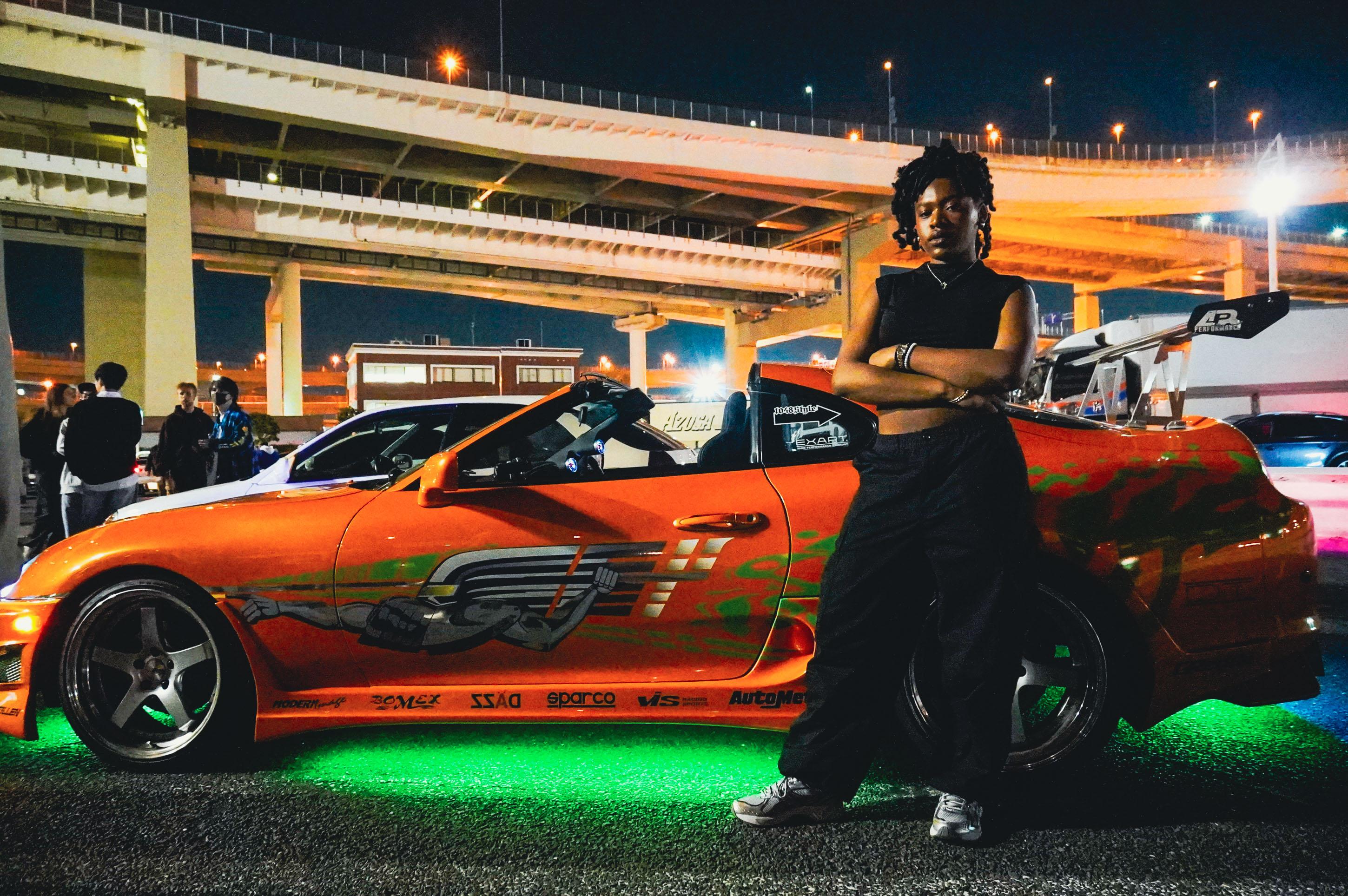
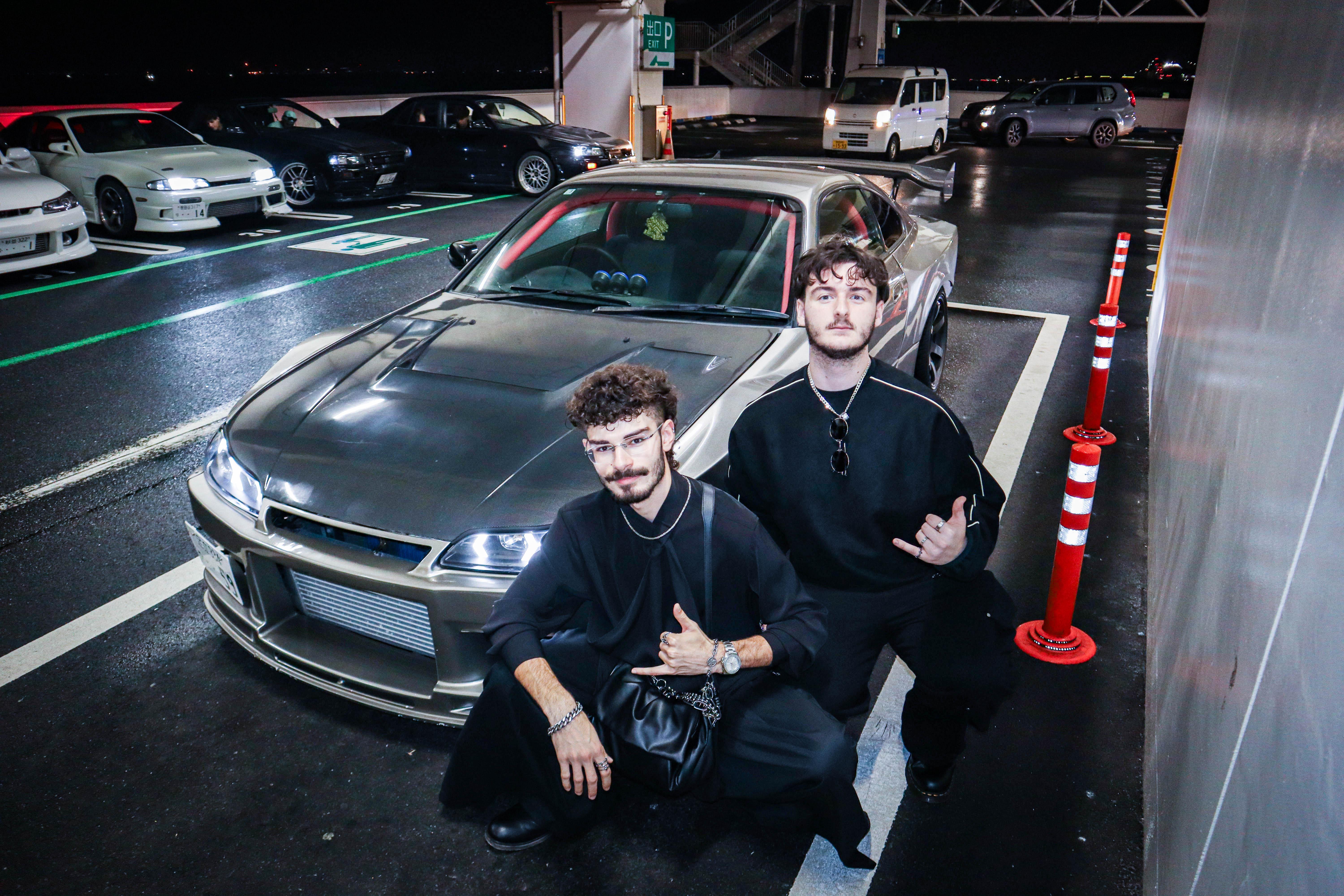
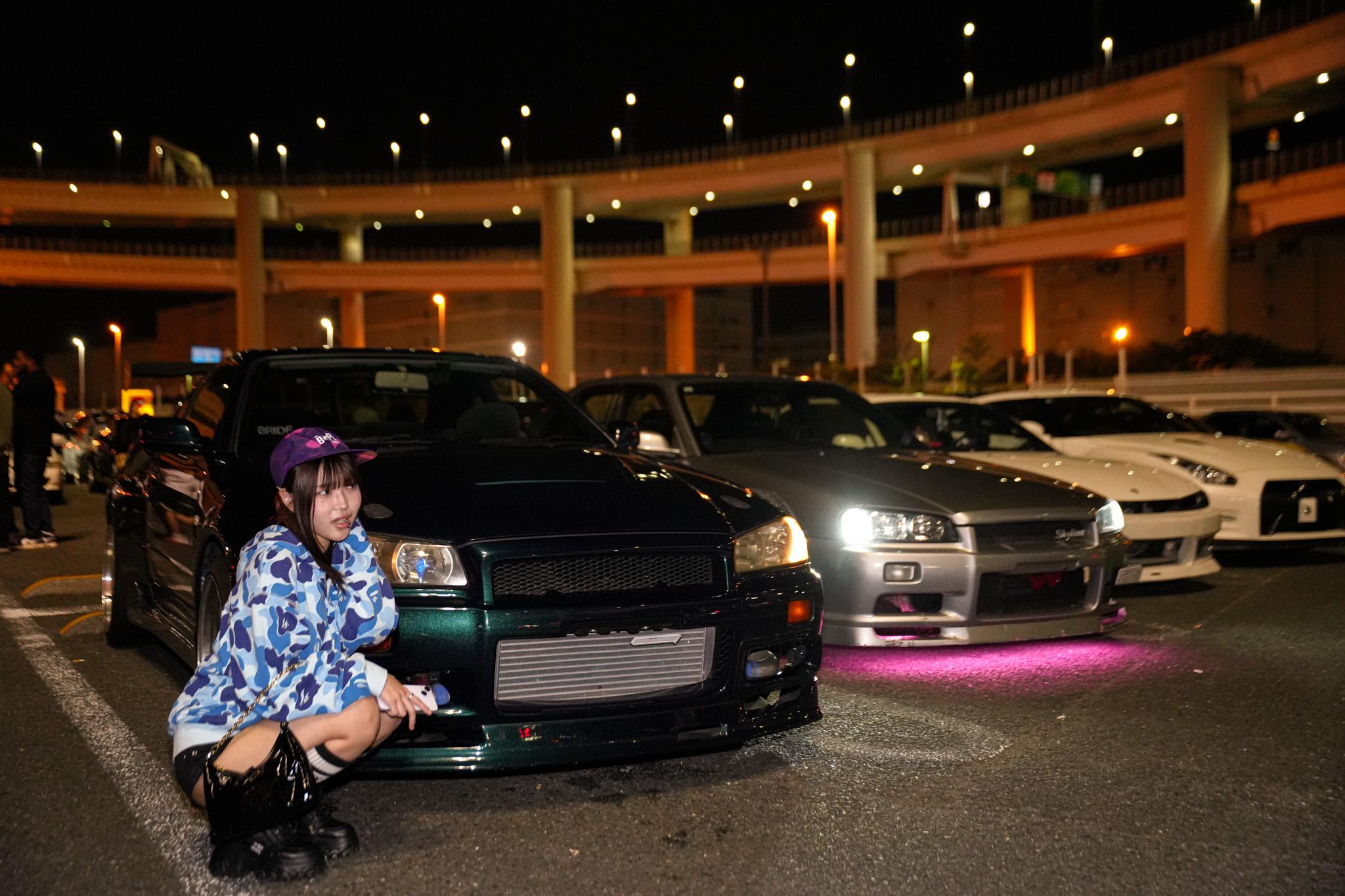
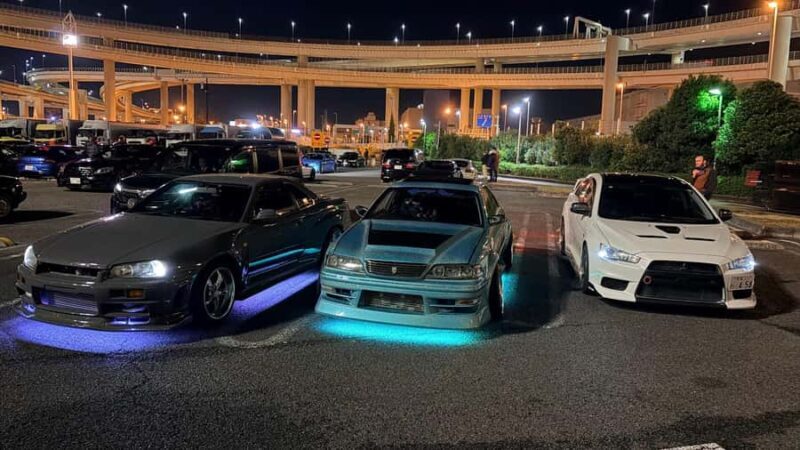
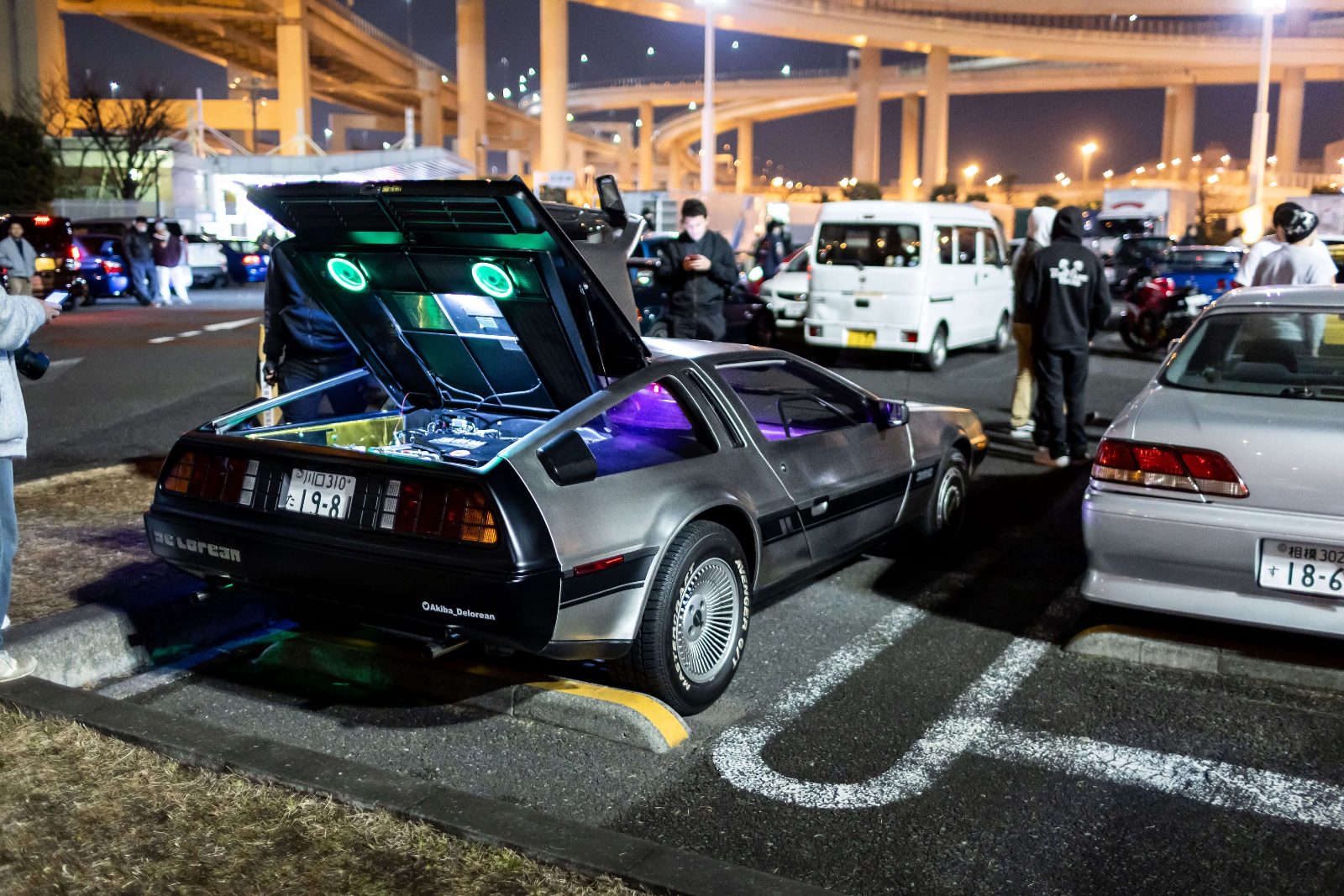
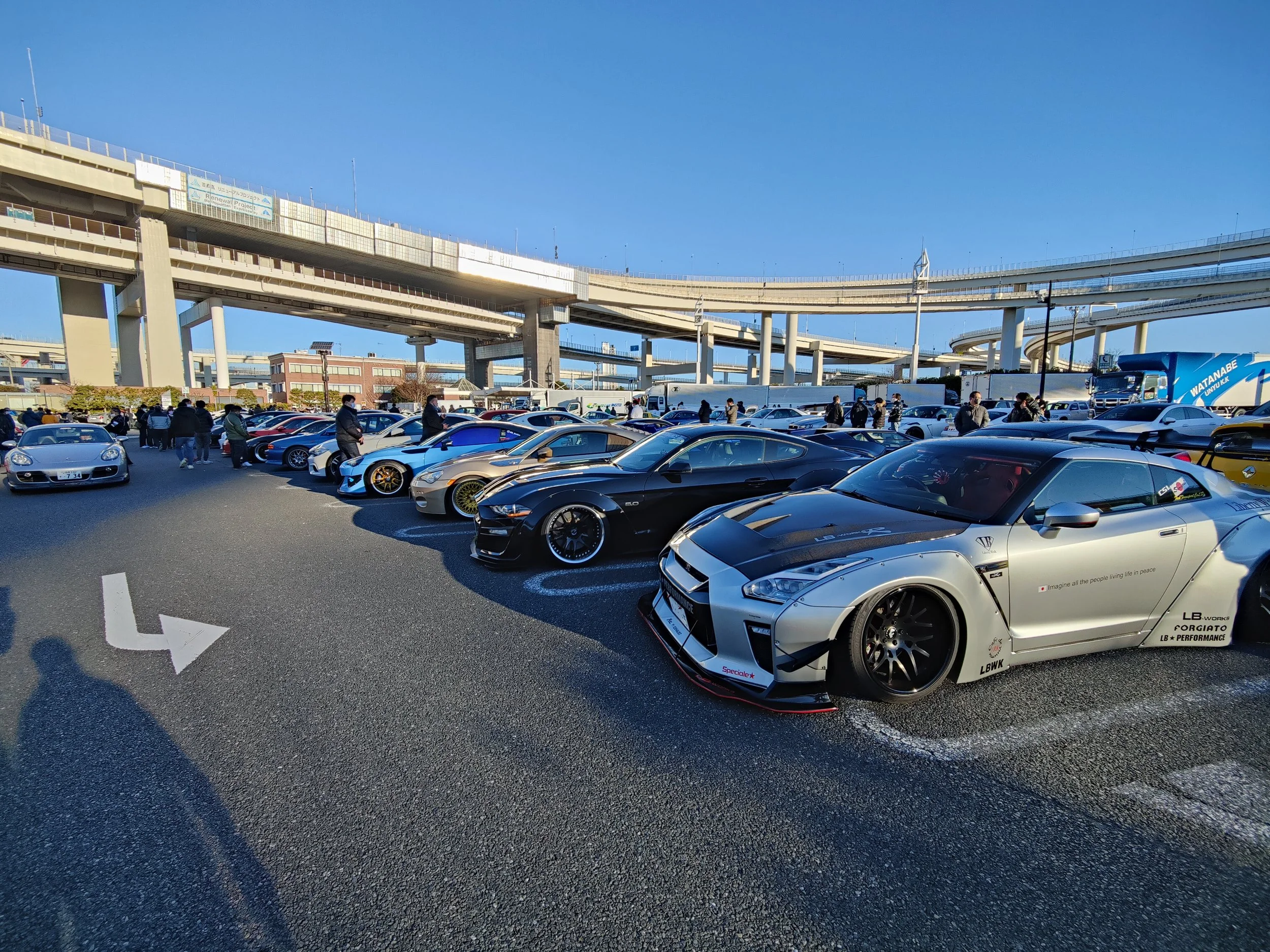
You step out into a low hum of conversation, the metallic click of hoods being propped open, the occasional bark of an anti-lag system as a car pulls away. Owners gather in clusters around Lancer Evolutions with carbon-fibre bonnets, Mazda RX-7s sitting on aggressive camber, Supras wearing wide-body Rocket Bunny kits. Your guide points out details—a Nismo-spec GT-R with titanium exhaust, a Silvia running a Nissan SR20 swap, the faint scent of race fuel and brake dust. After thirty minutes of walking the rows and exchanging nods with builders, you return to the car for the drive back through Wangan tunnels, the city's lights reflected in the bay below.
All the details about your upcoming adventure in one place
Daikoku Parking Area opened in 1985 as a highway service facility on the Bayshore Route of the Shuto Expressway, sixty metres above Tokyo Bay and linked to Yokohama's industrial port district.
By the mid-1990s, tuners began gathering under the steel latticework of the Daikansatsu observation bridge on Friday and Saturday nights, drawn by 24-hour access, proximity to Wangan midnight routes, and the absence of residential complaints. The parking area became a de facto showroom for Japan's domestic market performance cars—Nissan Skyline GT-Rs, Toyota Supras, Mazda RX-7s, Mitsubishi Lancer Evolutions—each modified according to the builder's philosophy: single-turbo conversions, wide-body aero kits, coilover suspension geometry tuned for mountain passes or circuit days at Fuji Speedway.
The 2006 film The Fast and the Furious: Tokyo Drift introduced Daikoku to a global audience, cementing its status as a pilgrimage site for automotive subculture. Today, the meet remains unofficial and loosely organized, peaking between 19:00 and 23:00 when the expressway toll gates see their highest inbound traffic. Attendees range from owners of heritage machines worth seven figures to apprentice mechanics arriving in lightly modified daily drivers. The gathering is not a sanctioned event; no ticketing booth exists, no marshals control entry, and no formal schedule governs when cars arrive or depart. Vehicle access requires payment of Shuto Expressway tolls, typically 1,320 yen from central Tokyo via the Bayshore Route.
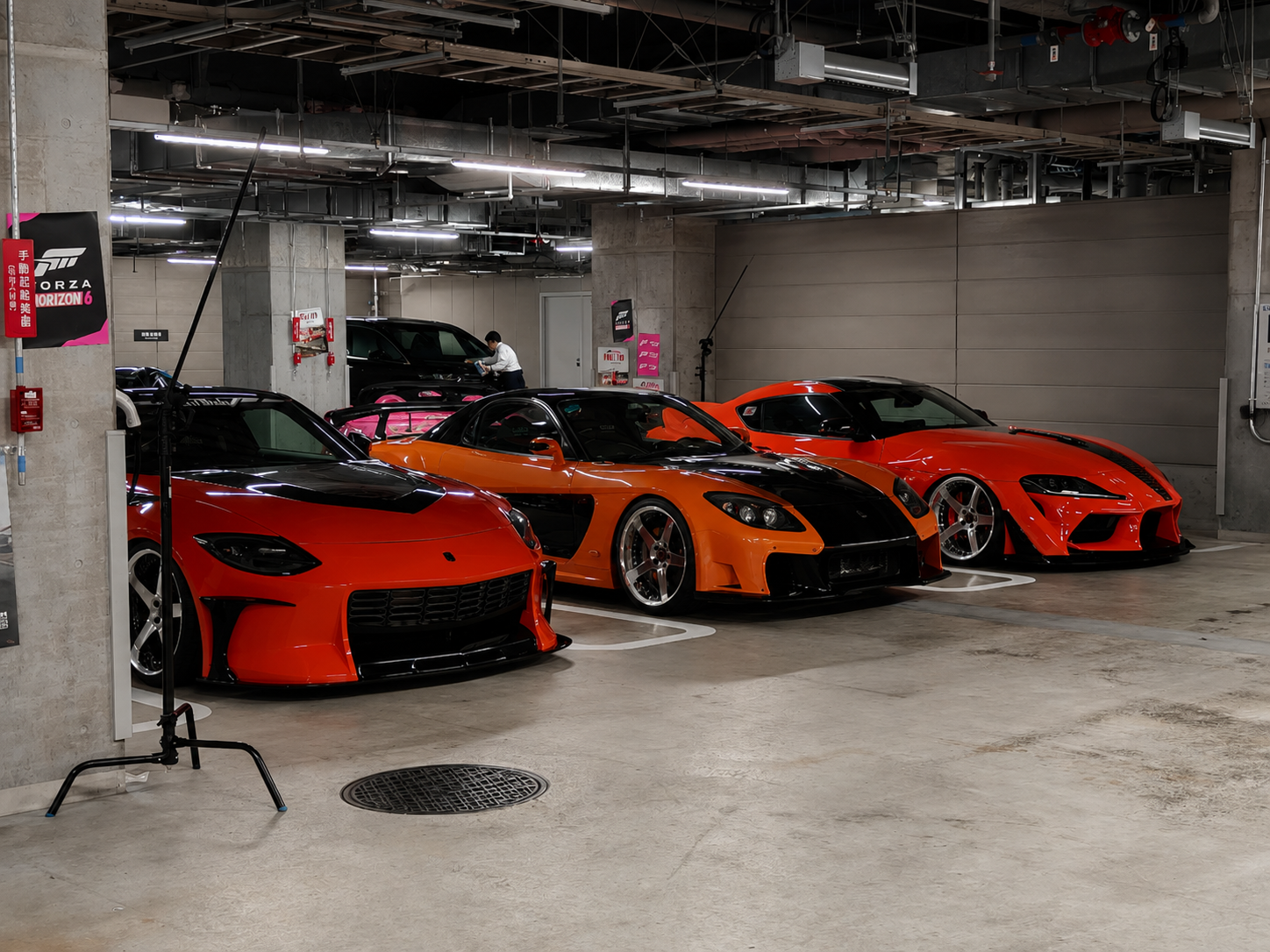
For visitors without their own vehicle, tokyo car meet tickets now refer to guided experiences operated by licensed tour providers. These packages pair reserved seats in tuned JDM legends—R34 Skylines with RB26DETT engines, fourth-generation Supras running 2JZ powerplants, Nissan Silvias with SR20DET swaps—with curated routes through Wangan tunnel stretches, Daikoku PA viewing time, and context from drivers embedded in Tokyo's modification scene. Tours typically depart from Shibuya or Shinjuku between 18:30 and 19:30, allowing arrival during peak meet activity. Operators navigate expressway tolls, parking protocol, and timing so participants experience the meet as observers rather than logistical coordinators. The service has formalized access to a subculture that remains, by design, informal and participant-driven.

By the mid-1990s, tuners began gathering under the steel latticework of the Daikansatsu observation bridge on Friday and Saturday nights.
Casual and practical. Wear comfortable shoes as you will be walking around the asphalt lot.
No lockers or secure storage are available on-site. Carry only essential items, as you will be moving through a busy, open-air parking environment.
Photography is generally welcome, but always ask owners before photographing individual cars. Drone use is strictly prohibited.
Families are encouraged to visit during daylight hours when the Daikoku Parking Area serves as a standard rest stop. Late-night car meets are intended for automotive enthusiasts and are often crowded.
The site is an active expressway rest area with paved walkways. It is not designed for pedestrian-only access and can be difficult to navigate during peak car meet hours.
The site features a convenience store and snack corner. Visitors may purchase food and drinks on-site but should not bring outside catering or conduct barbecues.
Peak activity for unofficial car meets
Best arrival window
19:00–23:00
Address
15-157 Daikoku-futo, Tsurumi-ku, Yokohama, Kanagawa, Japan
Vehicle access
Expressway only; no pedestrian access
Peak activity
Friday and Saturday nights
Storage
Not available
Site navigation
Shuto Expressway Bayshore Route
As there is no official entry fee of 0 JPY to access the facility, there are no booking cancellations for parking entry. Please check with your specific tour operator for their unique refund terms regarding guided JDM experiences.
Recommended time
2-3 hours
Visitors planning to secure tokyo car meet tickets should account for a stay of several hours, as the atmosphere shifts dynamically throughout the evening. Those arriving via a guided tokyo car meet tickets tour benefit from streamlined logistics, whereas independent drivers must remain flexible due to potential lot closures. Whether you are observing the modified builds or grabbing a coffee, remember that the site is an active infrastructure hub rather than a curated venue, making these tokyo car meet tickets tickets essentially your pass to a fluid, spontaneous environment.
Crowd levels through the day
Daikoku Parking Area opened in March 1991 as a functional rest stop on the Bayshore Route of the Shuto Expressway, serving commercial traffic between Yokohama Port and central Tokyo. Built on reclaimed land in Tsurumi Ward, the facility was engineered to handle heavy truck volumes with extended overnight parking zones. Nothing in its original design anticipated the cultural phenomenon that would emerge within a decade. By the late 1990s, young drivers began gathering informally on weekend nights, transforming the utilitarian rest area into an impromptu showcase for modified cars. The gatherings remained small and sporadic until internet forums amplified coordination, drawing enthusiasts from across the Kanto region. The 2001 release of "The Fast and the Furious" catalyzed international attention, and Daikoku became a pilgrimage site for JDM culture. Crowds swelled from dozens to hundreds, then thousands on peak nights. Metropolitan Expressway Company, the facility's operator, faced mounting pressure as gatherings blocked through traffic and strained emergency access. In 2008, authorities implemented stricter overnight regulations and increased police presence, threatening to dismantle the informal meets entirely. Enthusiast groups negotiated with local officials, establishing voluntary codes of conduct that reduced complaints while preserving the gatherings. This compromise solidified Daikoku's status as a tolerated grey-zone venue—not officially sanctioned, yet grudgingly accepted. By 2015, the location had become embedded in global car culture, appearing in automotive media, YouTube channels, and travel itineraries alongside tokyo car meet tickets tours. The rise of social media turned every gathering into content, with photographers and videographers documenting rare builds and celebrity car spotters. Commercial tour operators began offering guided JDM experiences, formalizing access for international visitors who lacked vehicles or local knowledge. Today, Daikoku operates simultaneously as expressway infrastructure and cultural landmark, its dual identity reflected in the coexistence of weary truckers and supercar convoys. The parking area remains free to enter, sustained by expressway tolls rather than admission fees, a vestige of its original purpose that shaped its accessibility and organic growth.
Daikoku Parking Area opens on the Bayshore Route as a commercial rest stop for port traffic.
Informal weekend car gatherings begin as local enthusiasts discover the spacious, well-lit facility.
International JDM interest surges following "The Fast and the Furious," drawing global attention to the meets.
Metropolitan Expressway Company enforces stricter regulations after crowding disrupts facility operations.
Social media amplifies Daikoku's visibility, embedding it in automotive YouTube culture and travel guides.
Commercial tour operators formalize guided experiences, offering tokyo car meet tickets access to international visitors.
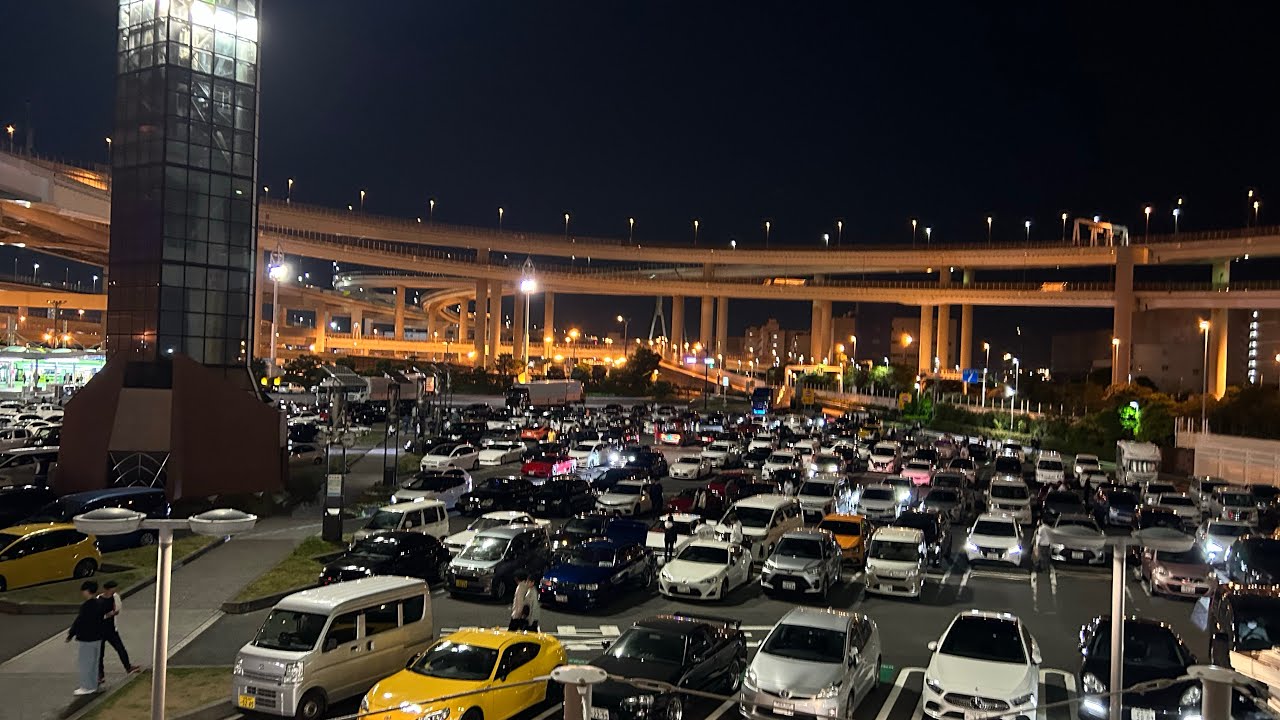
Position yourself near the center rows to capture the variety of modified vehicles and JDM icons parked under the harsh overhead lighting. This central area serves as the primary hub for automotive enthusiasts looking to secure tokyo car meet tickets for private gatherings.
Ascend the walkway to gain an elevated perspective of the entire lot, which is ideal for documenting the scale of the gathering. It provides a clear line of sight over the sea of high-performance machines and vibrant engine bays.
Wait near the transition zone to photograph vehicles arriving or departing along the winding expressway connector. This spot highlights the aesthetic of the Wangan line as cars exit the circuit and roll into the facility.
Walk along the outer edges to isolate specific vehicles against the backdrop of industrial warehouse shadows and distant harbor lights. This location is perfect for those seeking a moody, authentic atmosphere through tokyo car meet tickets tours.
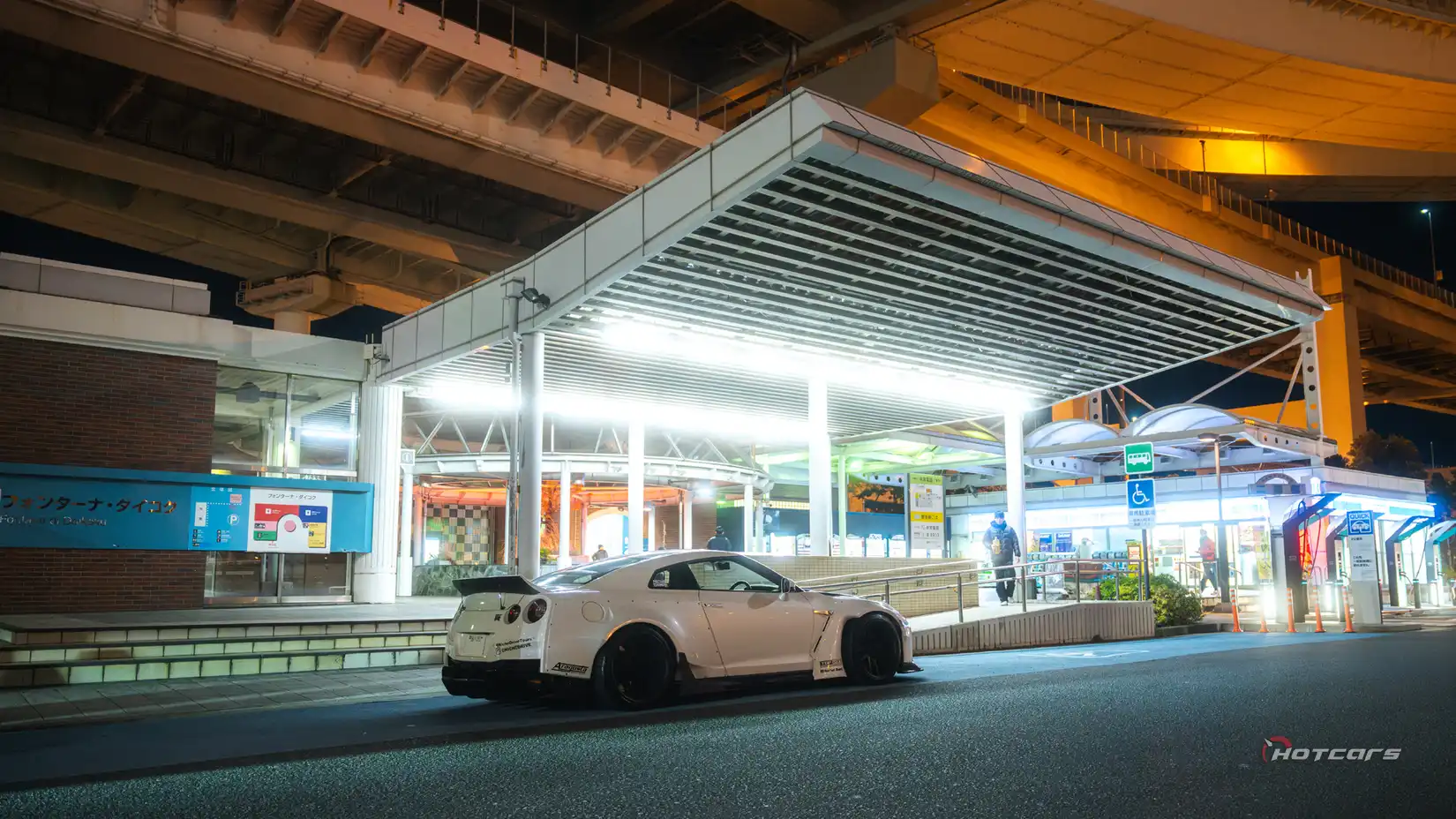
Use the brightly lit storefronts near the facility buildings to provide a consistent light source for detailed shots of body kits and custom wheels. This area offers a distinct contrast to the darker, open parking spaces for your tokyo car meet tickets tickets collection.
Visiting Daikoku Parking Area with your family requires careful planning, as there are no official tokyo car meet tickets required for entry. This industrial automotive hub serves as a gathering point for car enthusiasts, so navigating the crowds safely is your primary concern.
The asphalt lot is flat and accessible for strollers, but be aware that the space is designed for vehicles rather than pedestrians. Keep children close at all times near moving traffic.
This environment is best suited for older children or teens with a genuine interest in JDM culture and modified sports cars. The sensory input from engines and crowds can be overwhelming for younger toddlers.
There are standard public restrooms available, though dedicated baby-change facilities are limited. Plan for quick visits as the area lacks family-oriented amenities found in city centers.
You can secure tokyo car meet tickets tours to manage logistics effectively, ensuring you arrive within the optimal window. Peak activity occurs from 19:00–23:00, so shorter visits help maintain a comfortable pace for family members.
The parking area is entirely outdoors, providing no shelter from inclement weather. Always check the forecast before booking your tokyo car meet tickets tickets to ensure a pleasant experience.
Dining options are located directly within the Daikoku Parking Area facilities, providing convenient sustenance for those searching for tokyo car meet tickets. Since this is a specialized expressway rest stop, visitors typically rely on the onsite cafeteria and convenience store rather than external eateries for their tokyo car meet tickets tours.
The primary sit-down option serving standard Japanese comfort food like curry rice and ramen. It is efficient for a quick meal before exploring the parking lot, though it can become busy during peak evening hours.
This essential stop offers a wide selection of snacks, bento boxes, and hot coffee for those preparing for a long night of observing modified vehicles. It serves as the go-to provider for attendees using their tokyo car meet tickets tour arrangements to grab a quick drink.
Everything you need to know for your journey
No, you do not need tokyo car meet tickets because the gathering is an unofficial, spontaneous event rather than a commercial ticketed show.
The Daikoku Parking Area is open 24 hours a day, though police may close the entrance to incoming vehicles when it becomes overcrowded.
There is no official schedule for the meets; they are informal gatherings that peak on Friday and Saturday nights.
No, pedestrian access is prohibited as the Daikoku Parking Area is located on the Shuto Expressway and requires vehicle-based arrival.
If the area is closed, move to a backup destination or expressway viewpoint, as police closures are unannounced and final.
Guided tours for tokyo car meet tickets are often recommended as they handle complex expressway logistics and provide insight into the local scene.
The best arrival window for tokyo car meet tickets enthusiasts is 19:00–23:00 on Friday and Saturday nights.
The entrance fee is 0 JPY, though you must pay applicable expressway tolls to drive your vehicle into the parking area.
Yes, children are allowed, but families should prioritize daylight hours to avoid the crowded, late-night car meet atmosphere.
Join thousands of happy travelers who have discovered this incredible experience
Book Your Experience Now